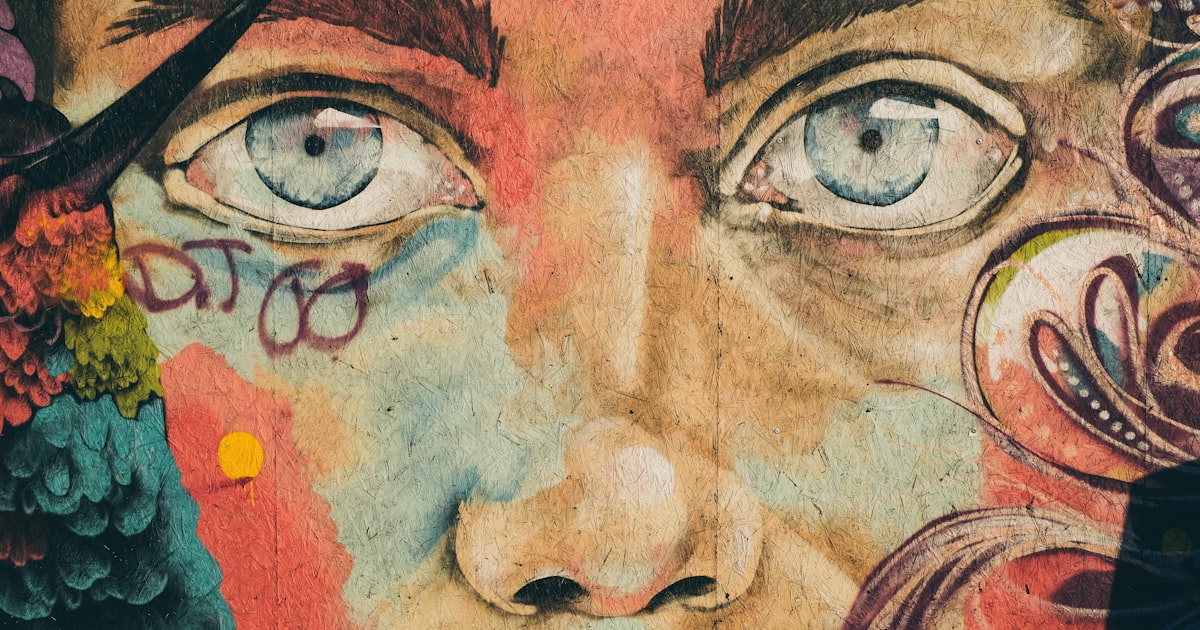
Ricoh GR III Street Art & Graffiti Photography: Settings, Tips & Best Presets
Street art is everywhere — from sprawling murals covering entire building facades to tiny paste-ups hidden in alleyways. And the Ricoh GR III, with its compact body and razor-sharp 28mm lens, is arguably the perfect camera to document it all. You can slip it in your pocket, walk through any neighborhood, and capture wall-to-wall color without drawing attention to yourself.
Here's how to get the most out of your GR III when shooting street art and graffiti.
Why the Ricoh GR III Excels at Street Art
The 28mm equivalent focal length is wide enough to capture large-scale murals without crossing the street, yet controlled enough to isolate details and textures. The GR III's APS-C sensor handles color with surprising richness, and Snap Focus lets you shoot from the hip without waiting for autofocus to hunt.
Street art is also one of the few genres where you rarely need to worry about shallow depth of field — you want everything sharp, from the paint texture to the surrounding wall. That plays directly to the GR III's strengths as a small-sensor, deep-DOF machine.
Recommended Camera Settings
Daytime Murals (Overcast or Shade)
These settings work well for large murals in even, diffused light:
| Setting | Value |
|---|---|
| Mode | Aperture Priority (Av) |
| Aperture | f/5.6 – f/8 |
| ISO | Auto (100–1600) |
| White Balance | Auto or Daylight |
| Focus | Snap Focus at 2.5m |
| Image Control | Vivid or Positive Film |
| Metering | Multi |
Stopping down to f/5.6 or f/8 gives you corner-to-corner sharpness — critical when you're capturing fine spray-paint details and stencil edges.
Bright Sunlight & High-Contrast Walls
Direct sun creates harsh shadows across textured walls. To tame contrast:
- Set
Highlight Correctionto Auto or On - Set
Shadow Correctionto Auto - Drop
Contrastto -1 or -2 to retain detail in both the bright paint and dark brickwork - Keep ISO at 100 to maximize dynamic range
Indoor Street Art & Tunnels
Underpasses, parking garages, and abandoned buildings often host some of the best graffiti — but light is scarce.
| Setting | Value |
|---|---|
| Mode | Aperture Priority (Av) |
| Aperture | f/2.8 (wide open) |
| ISO | Auto (up to 3200) |
| Shake Reduction | On |
| Image Stabilization | On (3-axis) |
At f/2.8 with the GR III's built-in stabilization, you can handhold down to about 1/15s and still get sharp results. Lean against a wall for extra stability.
Composition Tips for Street Art Photography
1. Show Context, Not Just the Art
The best street art photos tell a story about where the art lives. Include the surrounding architecture, the cracked sidewalk, the rusted drainpipe. A mural framed by a weathered doorway is far more compelling than the same mural cropped in isolation.
2. Use Leading Lines
Alleyways, brick courses, and sidewalk edges naturally lead the viewer's eye into the frame. Position yourself so these lines draw attention toward the art.
3. Wait for Interaction
A person walking past a mural — especially if their clothing echoes the artwork's colors — transforms a static shot into a street photograph. The GR III's silent shutter and instant Snap Focus make it easy to capture these moments without disrupting them.
4. Get Close for Texture
Street art has incredible texture that you lose when shooting from a distance. Move in close and fill the frame with paint drips, roller marks, wheat-paste edges, or the rough grain of a concrete wall. The GR III's minimum focusing distance of 6cm in Macro mode lets you capture details that most cameras miss.
5. Shoot the Same Wall at Different Times
Light changes everything. A mural that looks flat at noon might come alive in golden hour sidelight, or take on a completely different mood under blue-hour twilight. Revisit your favorite walls.
Best Presets for Street Art Photography
Color is king in street art photography, and the right preset can push your GR III's output from good to gallery-worthy.
Kodak Chrome
Our Kodak Chrome preset is built on Positive Film with boosted saturation and deep shadows — exactly what you want for punchy, vivid street art shots. The strong amber warmth adds richness to reds and oranges (common in spray paint), and the lifted contrast gives murals that bold, graphic-poster quality. This is the go-to preset for daytime street art under natural light.
EktaColor
For street art with strong primary colors — think bold blues, electric greens, and hot pinks — the EktaColor preset delivers hyper-saturated, almost otherworldly color. Its unusual fluorescent-shifted white balance creates color crossovers reminiscent of cross-processed film, which pairs beautifully with the already surreal palette of urban graffiti. Try it on neon-colored paste-ups and heavily layered tag walls.
Pro Tips
Shoot in RAW+JPEG. Apply your preset to the JPEG for instant gratification, but keep the RAW file for fine-tuning white balance later. Street art colors can be tricky — some spray paints photograph differently than they appear to the eye.
Watch for reflections and glare. Glossy spray paint and varnished murals can produce specular highlights in direct sun. Shift your angle slightly or wait for a cloud to pass.
Respect the art and the space. Many street artists are protective of their work. If you plan to sell prints of your photos, research local laws around photographing public art. And if you encounter an artist at work, ask before shooting — most are happy to chat and even pose.
Where to Find the Best Street Art
Every city has its spots. Look for:
- Arts districts and warehouse neighborhoods (Bushwick in NYC, Shoreditch in London, Wynwood in Miami)
- Skate parks and underpasses — often covered in layers of tags and throwups
- Construction hoardings — temporary surfaces that attract paste-ups and stencils
- Alleys behind commercial strips — where building owners sometimes commission murals
The Ricoh GR III's pocketability means you can always have it on you. The best street art photos often happen when you stumble onto a wall you didn't know existed.
Final Thoughts
Street art and graffiti photography is one of the most rewarding genres for Ricoh GR III shooters. The 28mm lens captures scale, the compact body keeps you mobile, and the in-camera color controls let you match the vibrancy of the art itself. Pair your GR III with a preset like Kodak Chrome or EktaColor, and you'll have a setup that does justice to the incredible creativity you'll find on the walls around you.
Now get out there and start shooting.
Get a free recipe + 15% off your first order
Our Natural Analog recipe (exact settings for the GR III, GR IIIx and GR IV) and a personal discount code, straight to your inbox.
No spam. Unsubscribe in one click.