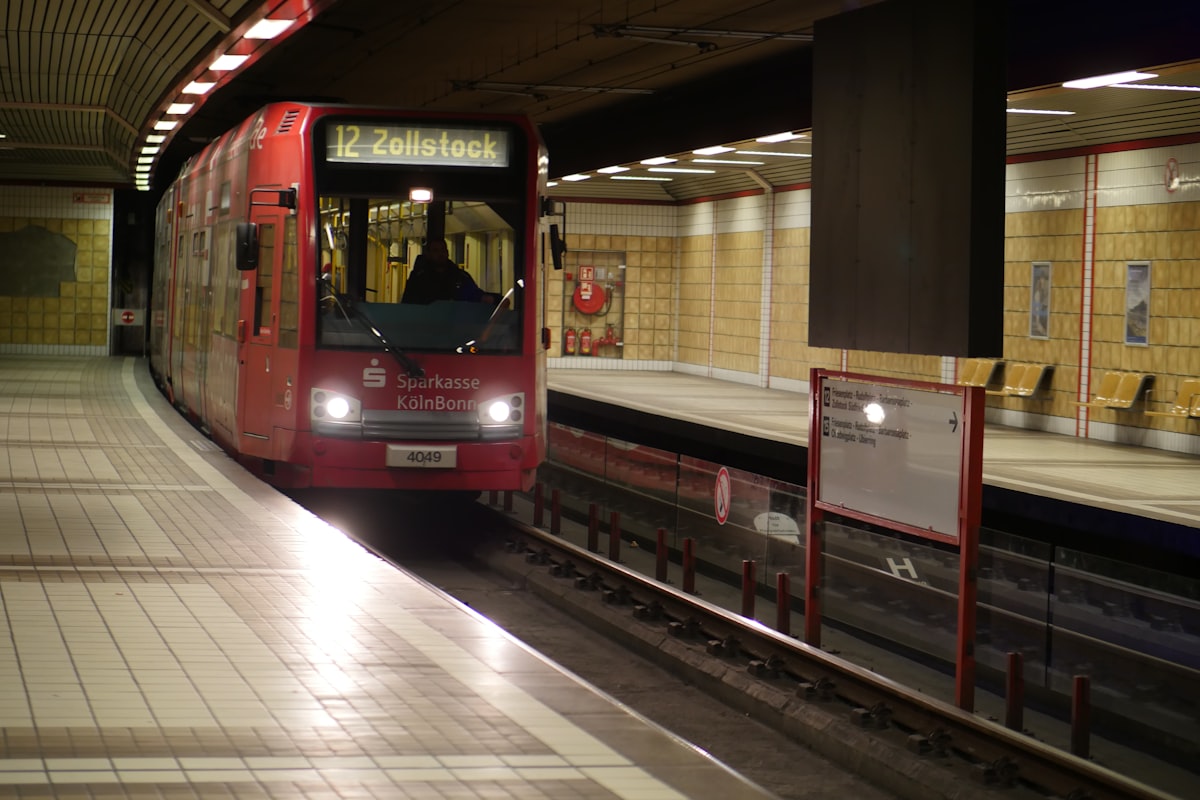
Ricoh GR III Subway & Metro Photography: Settings, Recipes, and Tips
The Ricoh GR III is arguably the single best camera for subway and metro photography. Its pocketable size lets you shoot candidly in tight, crowded underground spaces where pulling out a larger camera would be awkward or even prohibited. The fast f/2.8 lens, capable APS-C sensor, and lightning-quick snap focus make it possible to capture fleeting moments between stops -- a commuter lost in thought, light streaking through a tunnel, or the graphic geometry of tiled station walls.
This guide covers the best camera settings, custom preset recipes, and practical composition techniques for getting compelling subway and metro photos with your Ricoh GR III.
Why the Ricoh GR III Is Perfect for Subway Photography
Subway systems present unique photographic challenges that the GR III is specifically well-suited to handle:
- Ultra-compact body lets you shoot from the hip or at waist level without drawing attention from commuters or station security
- 18.3mm (28mm equivalent) lens captures the full width of train interiors and platform architecture in a single frame
- f/2.8 maximum aperture gathers enough light in dim underground stations where other compact cameras struggle
- APS-C sensor delivers clean results at high ISOs that fluorescent and LED tunnel lighting demand
- Snap Focus eliminates autofocus hunting in low-contrast underground environments where AF systems often fail
- Silent electronic shutter lets you photograph passengers without the intrusive click of a mechanical shutter
Essential Camera Settings for Subway Photography
Shooting Mode: Aperture Priority (Av) or TAv
Subway lighting is predominantly artificial and surprisingly consistent within a single station or train car. Aperture Priority (Av) is the go-to mode for most situations -- set your aperture and let the camera handle the rest.
For more control, consider TAv mode (Shutter & Aperture Priority). This lets you lock both aperture and shutter speed while the camera adjusts ISO automatically. It's ideal when you need to guarantee a fast enough shutter to freeze motion on a moving train.
Set your aperture based on the shot:
- f/2.8 for handheld shots in dim stations and for isolating subjects with shallow depth of field
- f/4 for general station scenes where you want a balance between light gathering and sharpness
- f/5.6 - f/8 for architectural shots of well-lit stations where maximum sharpness matters
ISO Configuration
Navigate to MENU > Shooting Settings > ISO Sensitivity for underground shooting:
- Auto ISO with a range of ISO 200-6400 is essential for subway photography. The lighting varies wildly between bright modern stations and dim older tunnels. Set the minimum shutter speed to 1/125s to freeze the motion of passengers and arriving trains.
- Fixed ISO 800-1600 works well in newer metro systems with bright LED lighting. Stations in cities like Tokyo, Seoul, and Singapore are surprisingly well-lit.
- ISO 3200-6400 for older, dimmer systems or when shooting inside train cars at night. The GR III handles noise well at these levels, and some grain actually enhances the gritty underground aesthetic.
Don't be afraid of high ISO in subway photography. Grain is part of the visual language of underground transit -- it adds texture and mood rather than detracting from the image.
Focus Settings for Subway Shots
Autofocus can struggle underground. Low contrast walls, fast-moving subjects, and dim lighting all conspire against traditional AF. Here's how to work around it:
Snap Focus at 2.5m is the single most important setting for subway photography. Set it and forget it -- at f/5.6 and 2.5m, everything from about 1.5m to infinity is acceptably sharp. This lets you shoot instantly without any AF delay, which is critical for capturing candid moments.
Snap Focus at 1.5m for tighter shots inside train cars. When you're sitting across from someone or photographing details within arm's reach, 1.5m at f/2.8 gives you a focused subject with a pleasantly blurred background.
Touch AF for deliberate, composed station architecture shots where you have time to frame carefully. Tap on the specific point you want sharp -- a tile pattern, a sign, a distant vanishing point.
Zone Focus (manual) for shooting from the hip while walking through stations. Set focus to 2m, aperture to f/5.6, and everything at normal conversational distance will be sharp without lifting the camera to your eye.
White Balance for Underground Lighting
Subway stations use a mix of fluorescent tubes, LED panels, and occasionally sodium vapor or mercury lamps. Each produces a different color cast:
- Auto White Balance (AWB) handles most modern metro systems reasonably well -- use this as your default
- Fluorescent White Balance corrects the green cast common in older stations with tube lighting
- Manual Kelvin at 3800K produces a cooler, more clinical look that emphasizes the sterile underground atmosphere
- CTE (Color Temperature Enhancement) leans into whatever color the station lighting produces, creating vivid, saturated results under colored LED installations
- Daylight (5200K) deliberately preserves the warm orange cast of tungsten and the green tint of fluorescent -- use this for a raw, unfiltered documentary feel
For the most authentic subway photos, avoid over-correcting the white balance. The color casts of underground lighting are part of the visual identity of metro systems worldwide.
Best Preset Recipes for Subway Photography
1. Underground Film — Classic Metro Look
A recipe inspired by the look of 35mm film shot in metro systems during the 1970s-80s. Slightly desaturated with pushed contrast and visible grain, this produces images with a timeless documentary quality.
- Image Control: Standard
- Saturation: -1
- Hue: 0
- High/Low Key: 0
- Contrast: +2
- Contrast (Highlight): +1
- Contrast (Shadow): -2
- Sharpness: +2
- Shading: +1
- Clarity: +2
- White Balance: Daylight (5200K)
- ISO: Auto (400-6400)
- Aperture: f/2.8 - f/4
Using Daylight white balance underground lets the artificial lighting color casts come through naturally. The pushed contrast and deep shadows create that gritty, high-contrast documentary look. Reduced saturation prevents fluorescent greens and sodium oranges from becoming overwhelming.
2. Neon Underground — Vivid Metro
For modern metro systems with colorful LED lighting, art installations, and vibrant signage. This recipe amplifies the bold colors found in stations like those in Stockholm, Naples, or Moscow.
- Image Control: Vivid
- Saturation: +2
- Hue: 0
- High/Low Key: 0
- Contrast: +1
- Contrast (Highlight): -1
- Contrast (Shadow): +1
- Sharpness: +2
- Shading: 0
- Clarity: +1
- White Balance: CTE
- ISO: Auto (200-3200)
- Aperture: f/4 - f/5.6
CTE white balance combined with Vivid image control and boosted saturation creates punchy, vibrant images that showcase colorful station architecture. The slightly opened shadows ensure you retain detail in darker tunnel areas.
3. Commuter Noir — Moody Black & White
A high-contrast monochrome recipe for dramatic subway portraits and atmospheric station scenes. Black and white strips away the distracting color casts of artificial lighting, letting you focus on light, shadow, and human form.
- Image Control: Hard Monotone
- Filter Effect: Red
- Saturation: N/A
- Hue: N/A
- High/Low Key: -1
- Contrast: +3
- Contrast (Highlight): +1
- Contrast (Shadow): -3
- Sharpness: +3
- Shading: +2
- Clarity: +3
- White Balance: AWB
- ISO: Auto (400-6400)
- Aperture: f/2.8
Hard Monotone with a red filter effect darkens skin tones slightly while brightening artificial light sources, creating dramatic contrast between lit areas and shadows. Maximum contrast, sharpness, and clarity produce the punchy, graphic look that defines noir-style subway photography.
4. Quiet Commute — Soft Documentary
A gentler recipe for capturing the quiet, contemplative side of public transit -- passengers reading, gazing out windows, or lost in headphones. Soft contrast and muted tones create an intimate, humanistic feel.
- Image Control: Bleach Bypass
- Saturation: -2
- Hue: +1
- High/Low Key: +1
- Contrast: -1
- Contrast (Highlight): -2
- Contrast (Shadow): +2
- Sharpness: 0
- Shading: +1
- Clarity: 0
- White Balance: Fluorescent
- ISO: Auto (400-3200)
- Aperture: f/2.8
Bleach Bypass with heavily reduced saturation creates a muted, almost pastel palette. The lifted shadows and softened contrast remove the harshness from underground lighting, producing images that feel quiet and contemplative rather than gritty.
Composition Techniques for Subway Photography
Leading Lines and Vanishing Points
Subway stations are built from parallel lines -- tracks, platform edges, ceiling beams, tile rows. Use these as leading lines that converge at a vanishing point deep in the frame. Stand at one end of a platform and shoot straight down the tracks for maximum depth. The GR III's 28mm lens exaggerates this perspective beautifully.
Framing with Doors and Windows
Train doors and windows create natural frames within the frame. Shoot through an open door to capture passengers inside the car, or photograph someone framed by a window from the platform. These frames-within-frames add depth and draw the viewer's eye to your subject.
The Lone Figure
A single person on an empty platform or in a nearly empty train car creates a powerful sense of isolation and urban solitude. Wait for the crowd to thin -- early mornings, late nights, or between rush hours -- and position a lone figure against the geometric backdrop of the station.
Reflections and Surfaces
Metro stations are full of reflective surfaces -- polished floors, glass barriers, chrome handrails, puddles on platforms. Use these reflections to create double images, abstract patterns, or to shoot subjects indirectly for a more candid approach.
Motion Blur for Energy
Set a slower shutter speed (1/15s - 1/30s) and let arriving trains or walking passengers blur through the frame while the station architecture stays sharp. This technique conveys the movement and energy of public transit. Use a railing or column to brace the camera, or switch to the GR III's image stabilization to keep the static elements sharp.
The Platform Edge
Shoot along the yellow safety line at the platform edge. This bold graphic element creates a strong leading line and immediately communicates "subway" to the viewer. Position yourself low -- the GR III's tiltable screen lets you shoot from knee height for a more dynamic angle.
Quick Reference Cheat Sheet
| Scenario | Aperture | ISO | WB | Best Recipe |
|---|---|---|---|---|
| Candid commuter portrait | f/2.8 | 1600-3200 | AWB | Quiet Commute |
| Station architecture | f/5.6-f/8 | 400-1600 | Fluorescent | Neon Underground |
| Train arriving (motion blur) | f/5.6 | 400-800 | Daylight | Underground Film |
| Inside train car | f/2.8 | 1600-6400 | AWB | Commuter Noir |
| Colorful modern station | f/4-f/5.6 | 200-1600 | CTE | Neon Underground |
| Late night empty platform | f/2.8 | 3200-6400 | Daylight | Underground Film |
| Hip-level street candid | f/5.6 | 800-1600 | AWB | Quiet Commute |
| Tunnel vanishing point | f/5.6 | 800-3200 | Daylight | Underground Film |
Final Tips for Better Subway Photos
Use Snap Focus religiously. This is the number one tip for subway photography. Autofocus hunts in underground environments. Snap focus fires instantly, every time. Set it to 2.5m for general shooting and 1.5m for inside train cars.
Shoot from the hip. Hold the GR III at waist level and shoot without raising it to your eye. This produces more natural, candid images and avoids making passengers uncomfortable. The wide 28mm lens is forgiving -- even imperfect framing often produces compelling compositions.
Embrace the grain. Don't be afraid of ISO 3200 or even 6400 underground. Grain is the visual texture of subway photography. It connects your digital images to the rich tradition of film photographers who documented metro systems worldwide.
Watch for light pools. Subway stations create dramatic pockets of light surrounded by shadow. Wait for a passenger to walk through one of these light pools and shoot at that moment. The contrast between the lit subject and dark surroundings creates instant drama.
Respect your fellow commuters. Be discreet and respectful. If someone notices you and looks uncomfortable, lower the camera. The best subway photography captures the universal human experience of transit without intruding on individual privacy.
Check local rules. Some metro systems restrict photography, especially with tripods or flash. The GR III's small size and silent shutter are advantages here, but always check the rules of the system you're shooting in.
Try different systems. Every metro system in the world has its own visual character -- the Art Nouveau entrances of Paris, the brutalist concrete of Washington DC, the futuristic stations of Dubai, the tiled masterpieces of Lisbon. Travel with your GR III and document the underground architecture of different cities.
Ready to take your subway photography to the next level? Browse our curated preset collections for one-click looks, or grab a complete bundle to cover every underground lighting scenario.
Get a free recipe + 15% off your first order
Our Natural Analog recipe (exact settings for the GR III, GR IIIx and GR IV) and a personal discount code, straight to your inbox.
No spam. Unsubscribe in one click.