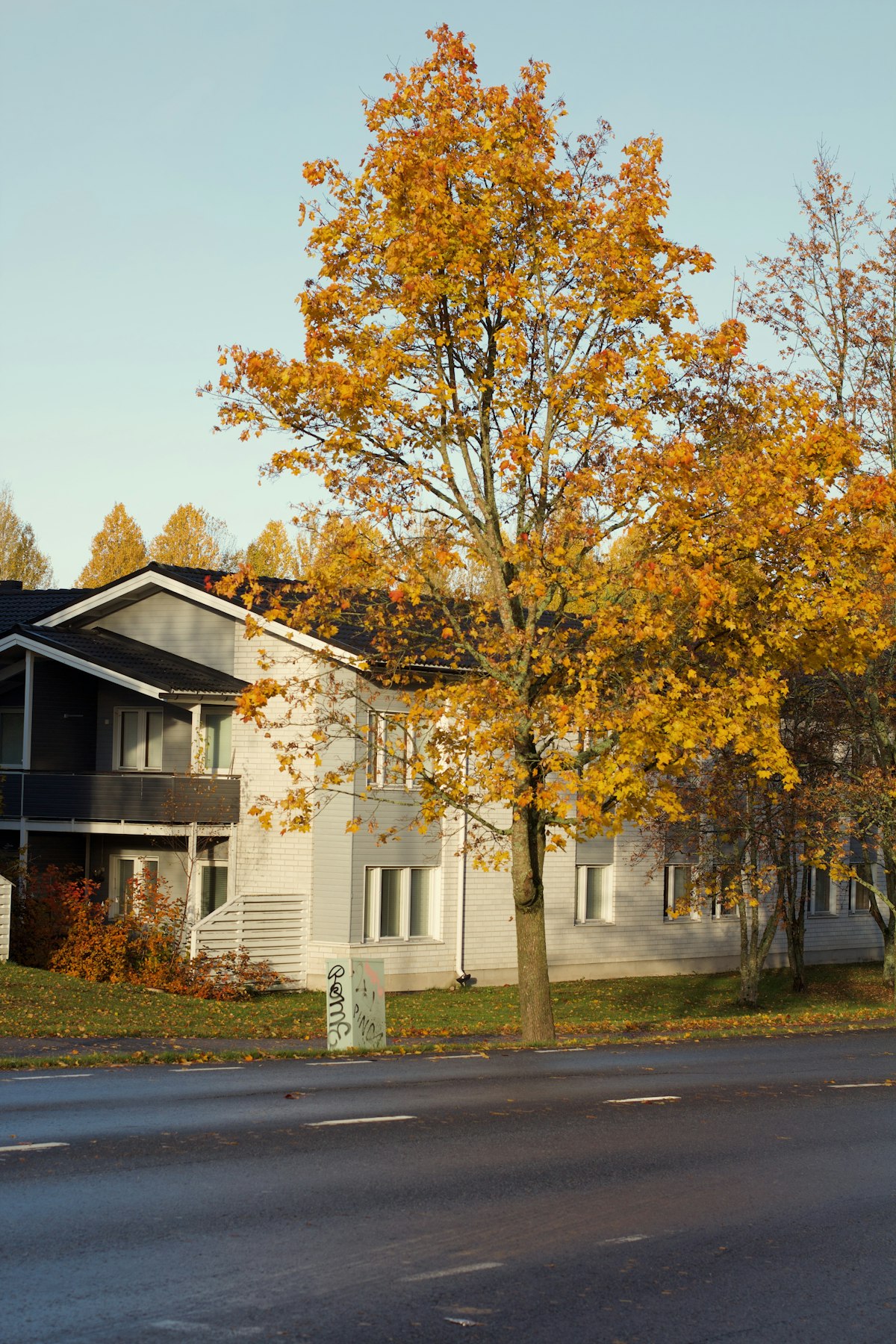
Ricoh GR III Autumn Photography: Settings, Film Recipes, and Fall Color Tips
Autumn is one of the most rewarding seasons for photography. The air turns crisp, leaves shift through a spectrum of gold, amber, and crimson, and the quality of light changes in ways that make even familiar streets feel cinematic. The Ricoh GR III -- small enough to slip into a jacket pocket -- is the perfect camera to carry through fall's fleeting beauty.
This guide covers the camera settings, preset recipes, and practical techniques you need to make the most of autumn with the GR III.
Why the Ricoh GR III Excels in Autumn
The GR III has several characteristics that make it particularly well suited to fall photography:
- 28mm equivalent lens captures wide environmental scenes that show off fall color canopies, leaf-covered paths, and the relationship between architecture and foliage
- Fast f/2.8 aperture lets you isolate single leaves or branches against soft, colorful bokeh
- APS-C sensor delivers the dynamic range needed to handle high-contrast autumn scenes where bright sky meets deep shadow under tree cover
- Compact, pocketable size means you always have it when an unexpected fall scene catches your eye -- a pile of leaves on a café table, a foggy morning alley, a park bench under golden trees
- Flexible image controls let you push warm tones, boost saturation selectively, and create film-like looks that suit the nostalgic mood of autumn
Essential Camera Settings for Autumn Photography
Shooting Mode: Aperture Priority (Av)
Aperture Priority is the ideal mode for autumn photography. Fall light changes constantly -- bright sun breaking through clouds, open shade under tree canopies, and dappled light filtering through leaves. Av mode lets you control depth of field while the camera handles exposure.
Aperture guidelines for autumn:
- f/2.8 for isolating individual leaves, berries, or details against a blurred background of warm color
- f/5.6 for street scenes and environmental shots where you want some background context
- f/8 to f/11 for sweeping landscapes, tree-lined avenues, and scenes where front-to-back sharpness matters
ISO Configuration
Autumn offers a wide range of lighting conditions. Bright midday sun through foliage is very different from an overcast morning in a park.
Configure Auto ISO through MENU > Shooting Settings > ISO Sensitivity:
- ISO range: 200-3200
- Minimum shutter speed: 1/60s for still scenes, 1/125s on windy days when leaves and branches are moving
Start at ISO 200 on bright days. On overcast or foggy mornings -- which are some of the best conditions for fall photography -- the camera will push ISO higher automatically. The GR III handles ISO 1600 very well, and 3200 is usable with a bit of noise that actually complements the film-like aesthetic many autumn shots benefit from.
White Balance: Lean Into the Warmth
Autumn light naturally skews warm, and your white balance choice determines whether you preserve, enhance, or lose that warmth.
Avoid Auto White Balance for autumn shooting. AWB will try to neutralize the golden and amber tones that make fall photos feel special.
Recommended approaches:
- Daylight (5200K) preserves the natural warmth of autumn light. This is the safest starting point for most situations.
- Shade (7500K) pushes tones warmer, intensifying the golden canopy effect. Excellent for overcast fall days that might otherwise look flat.
- CTE (Color Temperature Enhancement) amplifies the dominant warm cast in autumn scenes, producing rich amber and copper tones.
- Manual Kelvin at 5500-6500K gives you precise control. Start at 5500K for natural warmth and push toward 6500K for a deeper golden look.
On foggy or misty autumn mornings, consider Cloudy (6000K) to add just enough warmth without overdoing it -- you want the ethereal quality of the mist to remain.
Metering and Exposure Compensation
Autumn scenes can trick the meter. Bright yellow leaves against a dark tree trunk, or a backlit canopy against a pale sky, create challenging contrast.
Multi-segment metering works well for evenly lit fall landscapes. Switch to center-weighted metering when shooting backlit foliage or scenes with strong brightness differences.
Use exposure compensation to control mood:
- +0.3 to +0.7 EV for a bright, airy feel that makes golden leaves glow
- 0 EV for accurate, natural rendering of fall colors
- -0.3 to -0.7 EV to deepen and saturate autumn colors for a richer, moodier look
- -1.0 EV for dramatic backlit scenes where leaves become translucent jewels
Focus Settings
For most autumn photography, standard AF works perfectly. A few specific adjustments help:
- AF with Spot focus area for isolating individual leaves or small details
- Snap Focus at 2.5m for walking through fall streets and capturing quick candid scenes
- Macro mode for extreme close-ups of leaf textures, frost on petals, or dewdrops on fallen leaves -- the GR III focuses down to 6cm, which opens up a world of autumn detail shots
Custom Preset Recipes for Autumn
These recipes are designed specifically for fall photography. Dial them in through MENU > Image Control.
1. Autumn Gold -- Warm Film Look
This recipe emphasizes the golden and amber tones of fall foliage while keeping shadows natural and slightly cool for contrast. It mimics the look of warm film stocks like Kodak Gold.
- Image Control: Positive Film
- Saturation: +3
- Hue: -1
- Key: 0
- Contrast: -1
- Contrast (Highlight): -1
- Contrast (Shadow): +1
- Sharpening: 3
- Shading: -1
- Clarity: +1
- White Balance: Daylight or 5800K
- White Balance Compensation: A3
Best for: Sunlit park scenes, tree-lined streets, golden hour fall walks. The positive film base adds punch to warm tones while the slightly reduced contrast keeps detail in both bright leaves and darker trunks.
2. Misty Morning -- Soft Ethereal Autumn
Designed for overcast days, fog, and the soft light of early morning in autumn. This recipe keeps tones muted and slightly desaturated for a gentle, contemplative mood.
- Image Control: Negative Film
- Saturation: -1
- Hue: 0
- Key: +1
- Contrast: -2
- Contrast (Highlight): -2
- Contrast (Shadow): -1
- Sharpening: 2
- Shading: 0
- Clarity: -1
- White Balance: Cloudy or 6000K
- White Balance Compensation: A2
Best for: Foggy parks, rainy fall streets, early morning walks. The low contrast and soft clarity create a dreamy quality that suits the atmospheric conditions of autumn mornings.
3. Crisp Autumn -- Vivid and Punchy
For photographers who want their fall colors to really pop. This recipe maximizes color impact while keeping the image looking natural rather than overprocessed.
- Image Control: Vivid
- Saturation: +2
- Hue: 0
- Key: -1
- Contrast: +1
- Contrast (Highlight): 0
- Contrast (Shadow): +2
- Sharpening: 4
- Shading: -1
- Clarity: +2
- White Balance: Daylight
- White Balance Compensation: A2
Best for: Peak foliage days with blue sky, colorful farmers markets, vibrant street scenes. The vivid base with extra clarity makes colors jump off the screen while the shadow contrast boost adds depth.
4. Fallen Leaves -- Nostalgic Warm Mono
Autumn in black and white has a timeless quality. This recipe produces warm-toned monochrome images that feel like vintage prints, perfect for moody fall scenes.
- Image Control: Hard Monotone
- Key: -1
- Contrast: +2
- Contrast (Highlight): +1
- Contrast (Shadow): +2
- Sharpening: 5
- Shading: -2
- Clarity: +2
- Toning: +4 (warm)
- White Balance: Daylight
- Filter Effect: Yellow
Best for: Bare branches, wet cobblestone streets, fallen leaf carpets, and park benches. The warm toning and strong contrast create images that feel like they could have been shot decades ago.
Composition Techniques for Autumn Photography
Use Canopies as Natural Frames
Autumn tree canopies create stunning natural frames. Position yourself under a row of trees and shoot along the path, using the arch of colored leaves to frame your subject -- a distant figure, a bench, or the vanishing point of a street.
Shoot Low for Leaf Carpets
Some of the most compelling autumn images come from getting low. Point the GR III down at a carpet of fallen leaves, or get eye-level with a single leaf on wet pavement. The 28mm lens at close range creates a sense of immersion in the fall scene.
Look for Color Contrast
Autumn offers natural color contrasts that are hard to find at any other time of year:
- Red leaves against a deep blue sky
- Yellow foliage reflected in dark water
- Orange pumpkins on a grey stone wall
- Green moss next to brown and gold fallen leaves
Train yourself to spot these contrasts and use them to create images with strong visual impact.
Backlight Through Leaves
When the sun is low, shoot toward it through autumn leaves. The leaves become translucent, glowing with intense color. Use a slight negative exposure compensation (-0.3 to -0.7 EV) to keep the colors saturated rather than washed out.
Reflections and Puddles
Autumn rain creates puddles that become mirrors for fall color. Look for reflections of trees, buildings, and sky in standing water. The GR III's close-focus ability lets you get right down to puddle level for striking reflection shots.
Include Human Elements
A person walking through fallen leaves, a hand holding a warm drink, a cyclist on a tree-lined path -- these human touches add story and scale to autumn scenes. The GR III is discreet enough for capturing these candid moments without drawing attention.
Autumn Lighting Conditions and How to Handle Them
Bright Sunshine Through Foliage
Dappled light through autumn trees creates dramatic scenes but challenging exposure. Meter for the midtones and let highlights and shadows fall where they may. The GR III's APS-C sensor has enough dynamic range to recover detail in post if needed, but often the contrast is what makes the image work.
Overcast Skies
Overcast days are underrated for fall photography. The even, soft light saturates colors without creating harsh shadows. This is when the Misty Morning recipe shines. Exclude the sky from your composition when possible -- a flat white sky rarely adds to an autumn image.
Golden Hour in Autumn
Golden hour during fall is doubly magical -- warm light on already warm colors creates an almost surreal glow. The sun is lower in autumn than summer, so golden hour lasts longer and the light has more of that horizontal, raking quality that adds texture and depth.
Foggy and Misty Mornings
Autumn fog is a gift for photographers. It simplifies backgrounds, adds depth layers, and creates mood. Expose slightly above what the meter suggests (+0.3 to +0.7 EV) to keep fog looking bright and ethereal rather than grey and dingy.
Quick Reference Cheat Sheet
| Scenario | Mode | Aperture | ISO | White Balance | Exposure Comp | |---|---|---|---|---|---| | Sunlit foliage | Av | f/5.6-f/8 | 200 | Daylight | 0 to -0.3 | | Backlit leaves | Av | f/2.8-f/4 | 200-400 | Daylight | -0.3 to -0.7 | | Foggy morning | Av | f/5.6 | 400-800 | Cloudy | +0.3 to +0.7 | | Leaf close-up | Av | f/2.8 | 200-400 | Daylight | 0 | | Overcast street | Av | f/4-f/5.6 | 400-1600 | Shade | 0 | | Fall landscape | Av | f/8-f/11 | 200 | Daylight | 0 to -0.3 | | Rain and puddles | Av | f/4-f/5.6 | 400-1600 | Cloudy | +0.3 |
Conclusion
Autumn is a season that rewards photographers who are ready. The Ricoh GR III's combination of image quality, compact size, and flexible image controls makes it the ideal camera for capturing fall's fleeting beauty -- whether you are walking through a park blanketed in golden leaves, exploring a foggy morning market, or simply noticing the way light hits a single red leaf on a wet sidewalk.
Try the preset recipes above as starting points, then adjust them to match your personal vision of autumn. And if you want professionally crafted film emulations that are ready to load onto your GR III, browse our complete preset collection or save with our curated bundles.