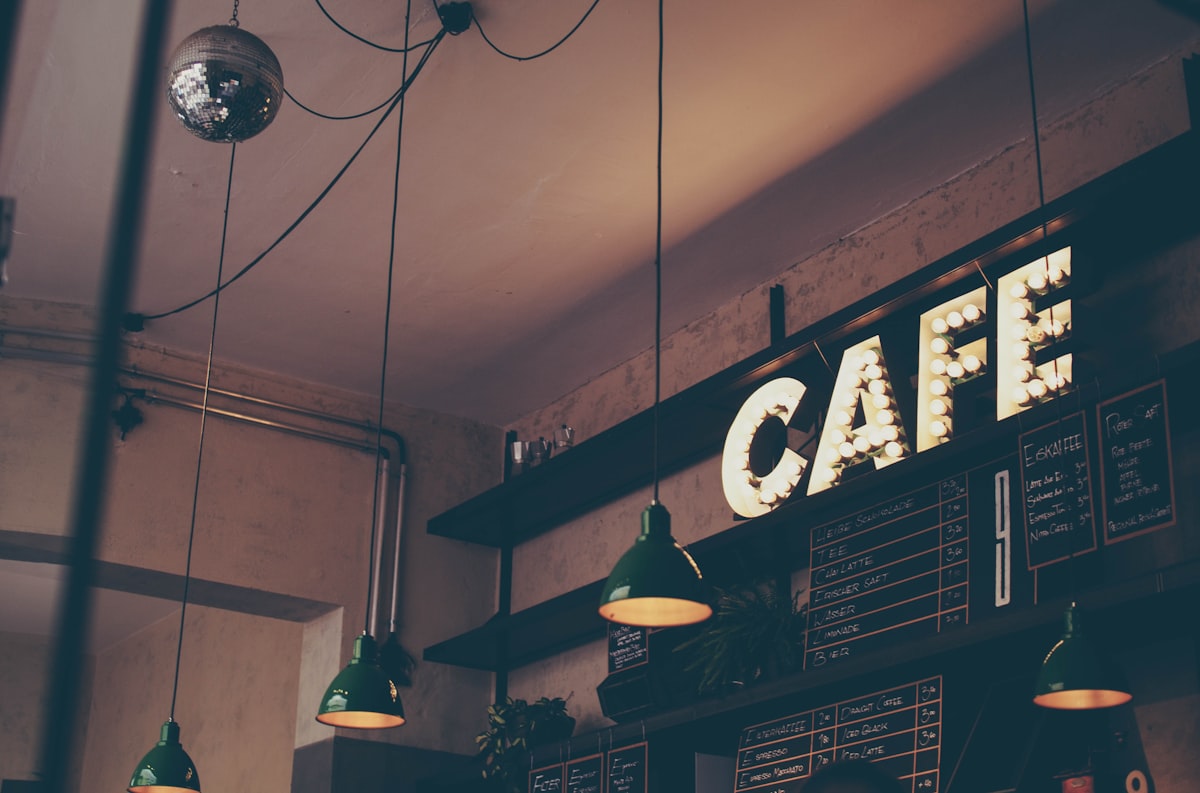
Ricoh GR III Café & Coffee Shop Photography: Settings, Recipes, and Tips
The Ricoh GR III has become the go-to camera for café and coffee shop photography -- and for good reason. Its compact size means you can shoot discreetly without drawing attention, while its APS-C sensor and f/2.8 lens deliver image quality that rivals much larger cameras. Whether you're documenting your local coffee ritual, creating lifestyle content, or simply capturing the warmth and atmosphere of your favorite café, the GR III is the perfect tool.
This guide covers the best camera settings, custom preset recipes, and practical composition techniques for getting beautiful café and coffee shop photos with your Ricoh GR III.
Why the Ricoh GR III Is Perfect for Café Photography
Before jumping into settings, here's why this camera dominates the café photography niche:
- Ultra-compact body fits in a jacket pocket -- no awkward DSLR on the table drawing stares
- 18.3mm (28mm equivalent) lens captures wide environmental shots of interiors without barrel distortion
- f/2.8 maximum aperture creates pleasing background blur for flat lay and detail shots
- APS-C sensor handles mixed indoor lighting with minimal noise at higher ISOs
- Macro mode focuses as close as 6cm for stunning close-ups of latte art and pastries
- Silent shooting in electronic shutter mode lets you photograph without disturbing other patrons
Essential Camera Settings for Café Photography
Shooting Mode: Aperture Priority (Av)
Café lighting changes depending on where you sit -- window seats flood with natural light while interior spots rely on warm artificial fixtures. Aperture Priority (Av) handles these shifts automatically while letting you control depth of field.
Set your aperture based on the shot:
- f/2.8 for detail shots with creamy bokeh (latte art, pastries, book spines)
- f/4 - f/5.6 for tabletop flat lays where you need more of the scene in focus
- f/5.6 - f/8 for wider interior shots showing the full café environment
ISO Configuration
Navigate to MENU > Shooting Settings > ISO Sensitivity for indoor café shooting:
- Auto ISO with a range of ISO 200-3200 works best for most café situations. Set the minimum shutter speed to 1/60s to avoid motion blur from hand tremor.
- Fixed ISO 400-800 is a good starting point near windows during daytime. The natural light combined with reflective surfaces (cups, countertops) provides plenty of brightness.
- ISO 1600-3200 for dimly lit evening cafés or moody interior corners. The GR III handles grain well at these levels, and some noise actually complements the organic café aesthetic.
Avoid going above ISO 3200 unless you're intentionally embracing grain for a film-like look.
Focus Settings for Café Shots
Different café subjects call for different focus approaches:
Touch AF is the most versatile option for café photography. Tap on your subject -- a cup, a pastry, a detail on the counter -- and the GR III locks focus precisely. This works especially well for off-center compositions where the focus point isn't in the middle of the frame.
Macro mode (flower icon) is essential for close-up detail shots. Switch to macro when shooting latte art, food textures, or small objects on the table. The GR III focuses as close as 6cm in macro mode, letting you fill the frame with fine details.
Snap Focus at 1.5m works well for quick candid shots of the café environment -- baristas working, light streaming through windows, customers reading. Set it and shoot without waiting for autofocus to hunt.
White Balance for Indoor Café Lighting
Cafés typically feature warm tungsten or Edison bulb lighting mixed with cool daylight from windows. This mixed lighting is part of the charm, and your white balance choice dramatically affects the mood:
- Auto White Balance (AWB) delivers neutral, accurate color in most situations -- use this as a safe default
- CTE (Color Temperature Enhancement) emphasizes the warm golden tones of café lighting, creating a cozy inviting look
- Daylight (5200K) preserves the warm amber glow of indoor lighting rather than correcting it away
- Manual Kelvin at 4500K splits the difference between warm indoor and cool window light, producing a balanced but still atmospheric result
For the most flattering café photos, lean toward warmer white balance settings. The golden tones of tungsten and Edison bulbs are a core part of the café aesthetic.
Best Preset Recipes for Café Photography
1. Warm Café Glow — Window Light
A recipe optimized for seats near windows where soft natural light meets warm interior tones. This produces clean, airy images with a gentle warmth that flatters food, drinks, and the overall café atmosphere.
- Image Control: Standard
- Saturation: +1
- Hue: 0
- High/Low Key: +1
- Contrast: -1
- Contrast (Highlight): -1
- Contrast (Shadow): +1
- Sharpness: +1
- Shading: 0
- Clarity: +1
- White Balance: CTE
- ISO: Auto (200-1600)
- Aperture: f/2.8 - f/4
The slightly reduced contrast opens up shadows so you don't lose detail in darker areas of the table, while the +1 saturation gives cups, plates, and food a subtle pop without looking oversaturated.
2. Moody Espresso — Low Light Interior
For dimly lit cafés, evening sessions, or deliberately moody compositions. This recipe leans into shadows and warm tones to create that intimate, cinematic feeling.
- Image Control: Positive Film
- Saturation: +2
- Hue: 0
- High/Low Key: -1
- Contrast: +2
- Contrast (Highlight): 0
- Contrast (Shadow): -2
- Sharpness: +2
- Shading: +1
- Clarity: +2
- White Balance: Daylight (5200K)
- ISO: Auto (400-3200)
- Aperture: f/2.8
The boosted contrast and deep shadows create a rich, dramatic look. Using Daylight white balance in an artificially lit café adds an intentional warm cast that enhances the moody atmosphere. Positive Film image control adds a touch of filmic color rendering.
3. Vintage Film — Nostalgic Café
A recipe that mimics the look of expired film stock shot in a café. Slightly faded highlights, muted but warm colors, and soft contrast give images a timeless quality that works beautifully for lifestyle and social media content.
- Image Control: Bleach Bypass
- Saturation: -1
- Hue: +1
- High/Low Key: +1
- Contrast: -1
- Contrast (Highlight): -2
- Contrast (Shadow): 0
- Sharpness: 0
- Shading: +1
- Clarity: 0
- White Balance: Manual Kelvin (4800K)
- ISO: Auto (200-1600)
- Aperture: f/2.8 - f/5.6
Bleach Bypass combined with reduced saturation creates that desaturated vintage look. The raised highlights and lowered highlight contrast produce the faded, lifted-black aesthetic typical of old film stock.
4. Clean & Bright — Flat Lay
Optimized for overhead flat lay shots of coffee, food, and table arrangements. This recipe prioritizes accurate color, even exposure, and sharpness across the frame.
- Image Control: Vivid
- Saturation: +1
- Hue: 0
- High/Low Key: +2
- Contrast: 0
- Contrast (Highlight): -1
- Contrast (Shadow): +1
- Sharpness: +3
- Shading: 0
- Clarity: +2
- White Balance: AWB
- ISO: Auto (200-800)
- Aperture: f/5.6 - f/8
The high key adjustment brightens the overall image for that clean, editorial feel. Maximum sharpness and clarity ensure every detail in the flat lay is crisp. AWB keeps colors neutral and accurate for food photography.
Composition Techniques for Café Photography
The 45-Degree Angle
The most flattering angle for coffee and food photography. Position yourself at roughly 45 degrees above your subject. This angle shows the top of the drink (revealing latte art or foam texture) while also capturing the side of the cup and the table setting behind it.
Leading Lines with the Counter
Use the café counter, bar top, or a long table as a leading line that draws the viewer's eye through the frame. The GR III's 28mm field of view naturally includes these environmental elements without needing to step far back.
Window Light Positioning
Always sit your subject between you and the window when possible. Side lighting from a window creates soft, directional light with gentle shadows that add dimension to cups, plates, and food. Avoid placing the window directly behind your subject unless you want a silhouette effect.
Negative Space
Leave room in the frame. A coffee cup in the lower third with empty table or blurred café background in the upper two-thirds creates a strong sense of place and atmosphere. This also leaves space for text overlay if you're creating social media or blog content.
Detail Shots to Tell the Story
Don't just photograph the coffee. Capture the details that define the café experience:
- Barista's hands pulling a shot
- Steam rising from a freshly poured cup
- The texture of a wooden table or marble counter
- Handwritten menu boards or chalk signs
- Light patterns through windows on the floor or wall
Quick Reference Cheat Sheet
| Scenario | Aperture | ISO | WB | Best Recipe | |----------|----------|-----|-----|-------------| | Window seat flat lay | f/5.6-f/8 | 200-800 | AWB | Clean & Bright | | Latte art close-up | f/2.8 (Macro) | 400-800 | CTE | Warm Café Glow | | Moody interior wide | f/2.8-f/4 | 1600-3200 | Daylight | Moody Espresso | | Vintage lifestyle shot | f/2.8-f/4 | 400-1600 | 4800K | Vintage Film | | Overhead table spread | f/5.6 | 200-800 | AWB | Clean & Bright | | Barista action shot | f/2.8 | 800-1600 | CTE | Warm Café Glow | | Evening café exterior | f/2.8 | 1600-3200 | Daylight | Moody Espresso |
Final Tips for Better Café Photos
Shoot in RAW+JPEG. The JPEG gives you the instant look from your preset recipe, while the RAW file preserves full latitude for editing later. This is especially useful in tricky mixed lighting.
Use the electronic shutter. Switch to electronic shutter mode in MENU > Shooting Settings > Shutter Type for completely silent operation. No one in the café will know you're shooting.
Embrace imperfection. Some of the best café photos have slight grain, soft focus edges, or a bit of motion blur from a barista's hands. These imperfections add authenticity and a human feel that overly polished images lack.
Clean your lens. The GR III lives in pockets and bags. Before shooting, give the lens a quick wipe. A smudge can add an unintentional soft glow -- charming sometimes, but usually not what you want for crisp food and drink shots.
Try different times of day. The same café looks completely different at 8 AM vs 6 PM. Morning light through windows is cool and clean; evening light is warm and moody. Visit at different hours to build a varied portfolio of looks.
Ready to take your café photography to the next level? Browse our curated preset collections for one-click looks, or grab a complete bundle to cover every café lighting scenario.