CineStill 400D Look on the Ricoh GR III: Complete Film Recipe Guide
CineStill 400D is the film that finally gave the cult motion-picture stock a true all-day, all-purpose personality. Where CineStill 800T is the tungsten-balanced night owl and CineStill 50D is the fine-grained bright-light specialist, 400D sits right in the middle — a daylight-balanced color film built on modern Kodak Vision3 cinema emulsion that shoots beautifully from golden hour to open shade. It's the roll you load when you want vibrant, slightly warm color, generous dynamic range, and that unmistakable CineStill glow around bright highlights. The best part? You can get remarkably close to that look in-camera on your Ricoh GR III — no scanning, no Lightroom pass, no film budget.
In this guide we'll build a complete CineStill 400D film recipe for the Ricoh GR III, explain why each setting matters, and cover the light and subjects where the look truly sings.
What Makes the CineStill 400D Look
Before diving into the menu, it helps to know exactly what you're chasing. CineStill 400D shares the family DNA with the rest of the line — it's still Kodak cinema film with the remjet layer removed — but it has its own distinct fingerprint:
- Warm, punchy daylight color — more saturated and lively than Portra, but still natural rather than cartoonish
- A wide, forgiving dynamic range that holds both bright skies and open shadows
- Gentle, film-like contrast with soft highlight roll-off
- The signature CineStill halation — that dreamy red-pink glow that blooms around bright light sources and specular highlights
- Fine grain for a 400-speed film, thanks to the modern Vision3 base
Think of CineStill 400D as the versatile daylight all-rounder of the family. It trades 800T's tungsten balance and low-light reach for cleaner grain and true daylight color, and it trades 50D's ultra-fine delicacy for two extra stops of flexibility. The Ricoh GR III's Image Control system handles this beautifully — its Negative Film base already leans toward color-negative character, and from there it's about nudging saturation up, opening the shadows, and warming the balance just enough to land in that golden CineStill zone.
The Ricoh GR III CineStill 400D Recipe
Head into MENU > Image Control on your Ricoh GR III and dial in the following settings:
| Setting | Value |
|---|---|
| Base | Negative Film |
| Saturation | +1 |
| Hue | 0 |
| Key (Brightness) | +1 |
| Contrast | -1 |
| Contrast (Highlight) | -2 |
| Contrast (Shadow) | -1 |
| Sharpness | +1 |
| Clarity | -1 |
| Shading | 0 |
| Toning | 0 |
| White Balance | Color Temp (K) |
| WB Value | 5600K |
| WB Compensation | A2 / M1 |
The settings doing the heavy lifting here are white balance and highlight contrast. The 5600K with A2/M1 compensation lands you in 400D's warm-but-true daylight zone — a touch of amber that gives skies and skin that sunny, inviting cast without tipping into orange. Pulling highlight contrast to -2 softens the roll-off so bright areas bloom gently instead of clipping, which is the closest an in-camera setting gets to mimicking CineStill's famous halation glow around highlights.
The mild +1 saturation gives 400D its lively, punchy color, while dropping both contrast (-1) and shadow contrast (-1) opens up the shadows to recreate that wide, forgiving cinema dynamic range. The -1 clarity takes the edge off micro-contrast for a softer, more filmic rendering, and +1 sharpness keeps fine detail crisp so the frame never feels mushy.
Pro tip: lock it into a User Mode
Don't re-enter these settings every time. Save the recipe to one of the Ricoh GR III's User modes (U1, U2, U3) so the CineStill 400D look is one dial-click away. Pair it with Snap Focus at 2m and Aperture Priority around f/2.8–f/5.6 — 400D loves being shot wide open in daylight — and you have a discreet, point-and-shoot cinema camera in your pocket.
If you'd rather skip the menu-diving entirely, browse our preset collection for one-click looks like this one, complete with the camera screenshot, so you can copy the recipe in under a minute.
Best Conditions for the CineStill 400D Look
CineStill 400D was engineered to be the flexible daylight member of the family. Knowing when to reach for it makes a big difference.
Golden hour and warm daylight
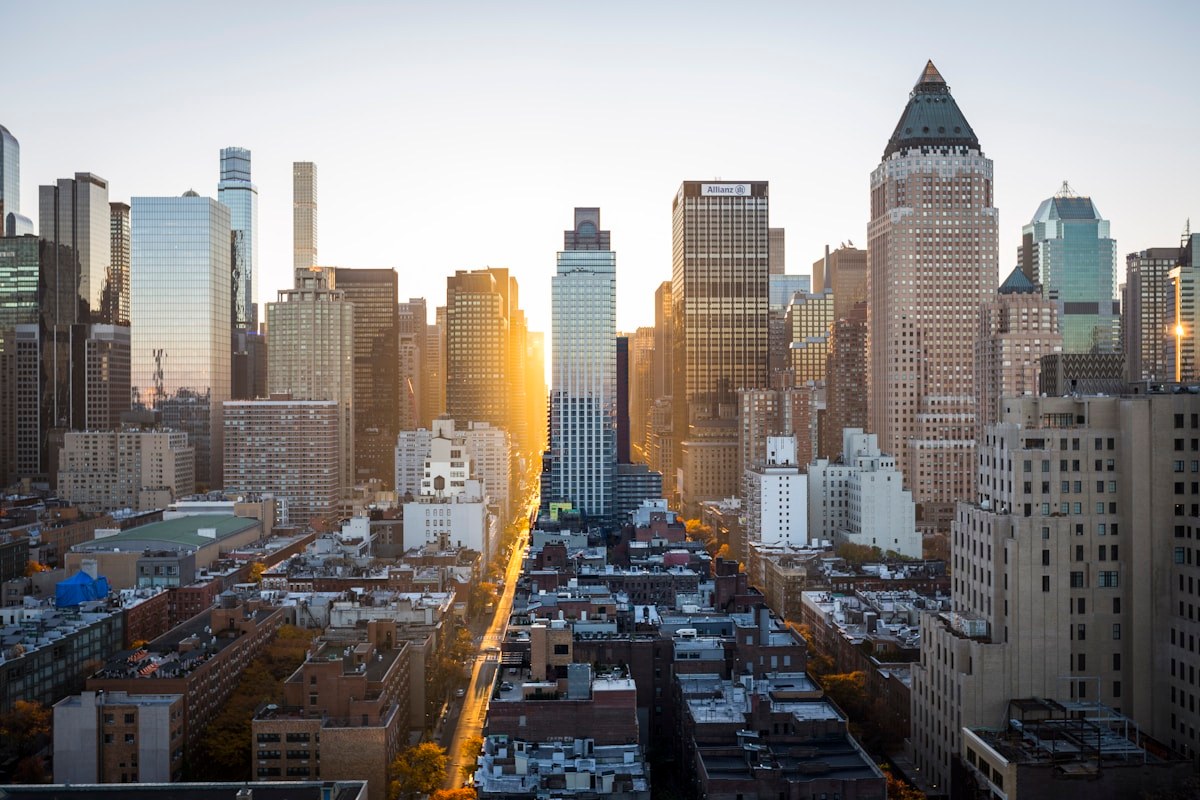
This is 400D's home turf. The warm 5600K balance and lifted shadows melt beautifully into late-afternoon light, glowing storefronts, and sun-flared skylines. Point the GR III toward a low sun and let the soft highlight roll-off do its thing — this is where that dreamy CineStill glow feels most authentic.
Street and travel in changing light
Because it's a 400-speed film with wide latitude, 400D shrugs off the shifting light of a day out walking. Bright avenues, shaded alleys, and everything between render with consistent, punchy color, making this recipe a superb everyday travel and street look for the GR III's 28mm lens.
Portraits with warmth
The warm balance and gentle contrast flatter skin, giving portraits a sunny, lived-in glow. Expose for the face, let the background highlights bloom, and you get environmental portraits with real cinematic character.
Where to be careful
CineStill 400D is a daylight film. In deep shade or artificial indoor light the warm balance can drift too orange, and the low-contrast settings can look flat. When the sun goes down and you're shooting under tungsten or neon, reach for our CineStill 800T recipe instead — it's built for exactly those conditions.
Shooting Tips for the CineStill 400D Look
- Chase bright light sources. The CineStill glow is defined by how light blooms around highlights. Frame the sun peeking between buildings, a bright reflection, or a glowing sign to lean into the effect the -2 highlight contrast is helping you fake.
- Expose to the right (slightly). Like most color-negative stocks, 400D is over-exposure tolerant and looks better with a touch more light. Dial in +0.3 to +0.7 exposure compensation to lift the image into that bright, airy daylight character.
- Keep ISO moderate. 400D's real-world sweet spot is ISO 200–800. On the GR III, staying in that range preserves the fine, filmic grain without introducing digital noise.
- Shoot wide and get close. At 28mm, fill the frame with your subject and let backgrounds fall into soft, glowing color.
CineStill 400D vs. 50D vs. 800T on the GR III
If you've tried our other CineStill recipes, think of these three as a complete daylight-to-night kit. CineStill 50D is the fine-grained, low-ISO bright-light specialist with the cleanest rendering. CineStill 400D is the versatile daylight all-rounder — warmer, punchier, and flexible enough for a full day of shooting. CineStill 800T is the tungsten-balanced night stock, cool and cinematic under artificial light. Many GR III shooters keep all three saved to User modes and switch based on the light: 50D for bright, still scenes, 400D for daylight everything, 800T after dark.
Trying them side by side on the same walk is the fastest way to feel the difference — a great exercise for any Ricoh GR III owner building their own style.
Final Thoughts
CineStill 400D earned its following by being the roll you can leave in the camera all day, and the Ricoh GR III is uniquely suited to chasing that look — small enough to never intimidate a subject, sharp enough to resolve fine cinema-film detail, and equipped with an Image Control system flexible enough to render that warm, glowing daylight color straight out of camera. Dial in the recipe above, lock it to a User mode, and head out into some good light. You'll come back with frames that have that unmistakable warm, punchy, softly glowing CineStill character — no darkroom required.
Ready to make it effortless? Browse our complete collection of Ricoh GR III presets, including film-emulation recipes like this one, or grab a bundle to get our most popular looks together at the best value.
Get a free recipe + 15% off your first order
Our Natural Analog recipe (exact settings for the GR III, GR IIIx and GR IV) and a personal discount code, straight to your inbox.
No spam. Unsubscribe in one click.