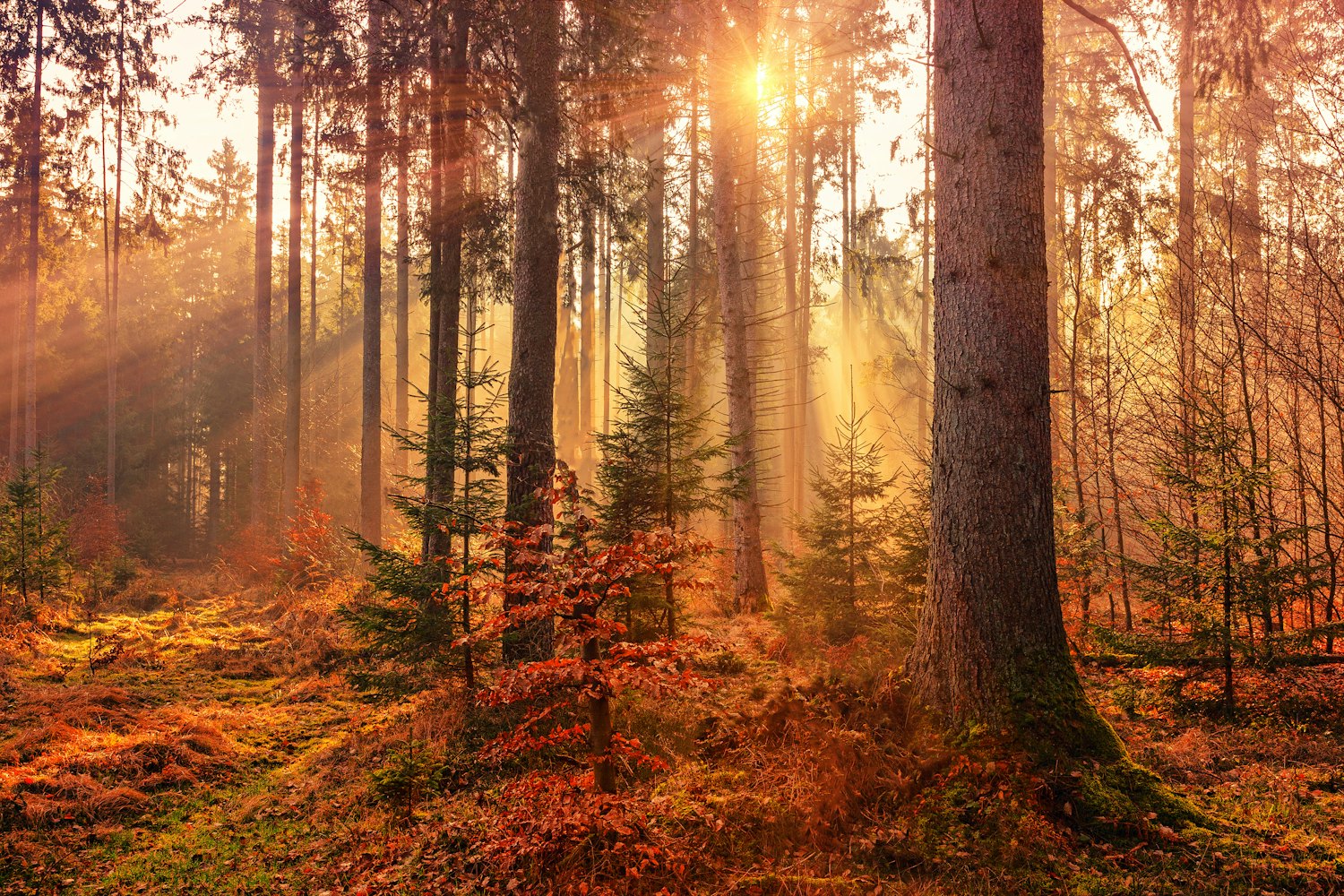
Kodak ColorPlus 200 Look on the Ricoh GR III: Complete Film Recipe Guide
Kodak ColorPlus 200 has quietly become one of the most beloved budget films in the world. It's the cheap, cheerful color-negative stock that photographers reach for when they want warmth and character without the price tag of Portra — a film that turns ordinary afternoons into something that feels a little bit like memory. The best part? You can bottle that exact character in your Ricoh GR III and shoot it for free, forever.
In this guide, we'll build a complete Kodak ColorPlus 200 film recipe for the Ricoh GR III, explain why each setting matters, and cover the light and subjects that make the look shine.
What Makes the Kodak ColorPlus 200 Look
ColorPlus 200 is often compared to Kodak Gold, but it has its own personality. Where Gold is punchy and sun-kissed, ColorPlus is warmer, softer, and a touch more faded — a genuinely vintage rendition rather than a vivid one. Its signature traits are:
- Warm highlights with a gentle amber cast, but less aggressive than Gold 200
- Muted, slightly desaturated color — pleasant reds and warm greens, never neon
- Soft, low contrast with lifted shadows that keep a hazy, nostalgic mood
- A hint of vignetting and grain that reinforces the disposable-camera feel
The Ricoh GR III's Image Control system handles this beautifully. Its Negative Film base already leans into color-negative warmth, and from there we pull back on saturation and contrast rather than pushing them — which is exactly what separates ColorPlus from its flashier cousins.
The Ricoh GR III Kodak ColorPlus 200 Recipe
Head into MENU > Image Control on your Ricoh GR III and dial in the following settings:
| Setting | Value |
|---|---|
| Base | Negative Film |
| Saturation | +2 |
| Hue | 0 |
| Key (Brightness) | -1 |
| Contrast | -2 |
| Contrast (Highlight) | -1 |
| Contrast (Shadow) | -1 |
| Sharpness | +1 |
| Clarity | +1 |
| Shading | +1 |
| Toning | 0 |
| White Balance | Color Temp (K) |
| WB Value | 6300K |
| WB Compensation | A3 / M2 |
The settings carrying the look are white balance and restraint. A Kelvin value of 6300K warms the frame convincingly without tipping into the strong orange of a Gold recipe, and the A3/M2 compensation adds just enough amber-magenta to echo ColorPlus's slightly pink skin tones.
Crucially, the +2 saturation (rather than +4) and the -2 contrast with lifted shadows are what give this recipe its faded, budget-film honesty. The small +1 Shading introduces a subtle vignette — the kind you'd get from a simple plastic lens — while modest sharpness and clarity keep the image soft rather than clinical.
Pro tip: lock it into a User Mode
Don't re-enter these settings every time you head out. Save the recipe to one of the Ricoh GR III's User modes (U1, U2, U3) so the ColorPlus look is a single dial-click away. Pair it with Snap Focus at 2m and you've essentially built a modern disposable camera that never runs out of film.
If you'd rather skip the menu-diving, our Ricoh GR III preset collection packages tested film recipes — including the camera screenshots — so you can copy them in under a minute.
Best Conditions for the ColorPlus Look
Like the film it imitates, this recipe has a sweet spot. Knowing when to reach for it makes all the difference.
Soft daylight and overcast skies
ColorPlus 200 was made for everyday light, and this recipe genuinely loves an overcast day. The lifted shadows and warm white balance add life to flat, gray conditions, turning otherwise dull light into something gentle and inviting. It's one of the few recipes that actively improves on a cloudy afternoon.
Travel, street, and everyday moments
The muted warmth flatters lived-in scenes: quiet streets, roadside cafés, weathered buildings, and candid portraits of friends. Because the Ricoh GR III is so pocketable and discreet, it's a natural companion for the kind of unhurried, documentary shooting that ColorPlus is famous for.
Where to be careful
In direct midday sun, the low-contrast profile can look a little flat. Add +1 to the Contrast (Highlight) setting or a touch of exposure compensation to restore some snap. And under warm tungsten or LED lighting at night, drop the Kelvin value to around 5600–5900K so the frame doesn't turn overly orange.
Getting the Most From the Recipe
A few habits will push your results well beyond the settings themselves.
Embrace the flat, faded shadows
The whole appeal of ColorPlus is that it doesn't try too hard. Resist the urge to "fix" the lifted blacks — that softness is the look. If anything, meter for the shadows and let the highlights breathe warm and bright.
Keep the ISO modest
ColorPlus is an ISO 200 film, and the recipe is cleanest at ISO 200–1600 on the GR III. A little grain at higher ISOs actually reinforces the analog feel, so don't be afraid to let it climb in dim light — but for the most faithful daytime rendition, keep it low.
Lean into 28mm storytelling
The GR III's fixed 28mm lens rewards getting close and including context. That suits ColorPlus perfectly: this is a look about moments and places, not isolated subjects. Frame people within their surroundings, keep some foreground, and let the slightly imperfect, snapshot energy come through.
ColorPlus 200 vs. Other Warm Film Recipes
If you love warm film looks, it helps to know where ColorPlus sits. Our Kodak Gold 200 recipe is brighter, punchier, and more saturated — the "holiday snapshot" of the family. A Portra-style recipe is warm but far more refined and pastel, aimed at portraits. Kodak ColorPlus sits between muted and nostalgic: softer than Gold, less polished than Portra, and arguably the most honestly "vintage" of the three.
Trying these recipes side by side on the same scene is the fastest way to learn what white balance and saturation actually do — a great exercise for any Ricoh GR III owner developing their own style.
Final Thoughts
The joy of a Kodak ColorPlus 200 recipe on the Ricoh GR III is how effortless it is. Once it's saved to a User mode, you just point, shoot, and get warm, faded, finished JPEGs straight out of camera — no film costs, no scanning, no editing. It's the closest thing to loading a fresh roll of the cheapest, most charming film on the shelf, minus the trip to the lab.
If you'd like tested, ready-to-load film recipes for the GR III — built and verified on a real camera — browse our Ricoh GR III preset collection. Spend less time in menus and more time chasing that warm, everyday light.
Get a free recipe + 15% off your first order
Our Natural Analog recipe (exact settings for the GR III, GR IIIx and GR IV) and a personal discount code, straight to your inbox.
No spam. Unsubscribe in one click.