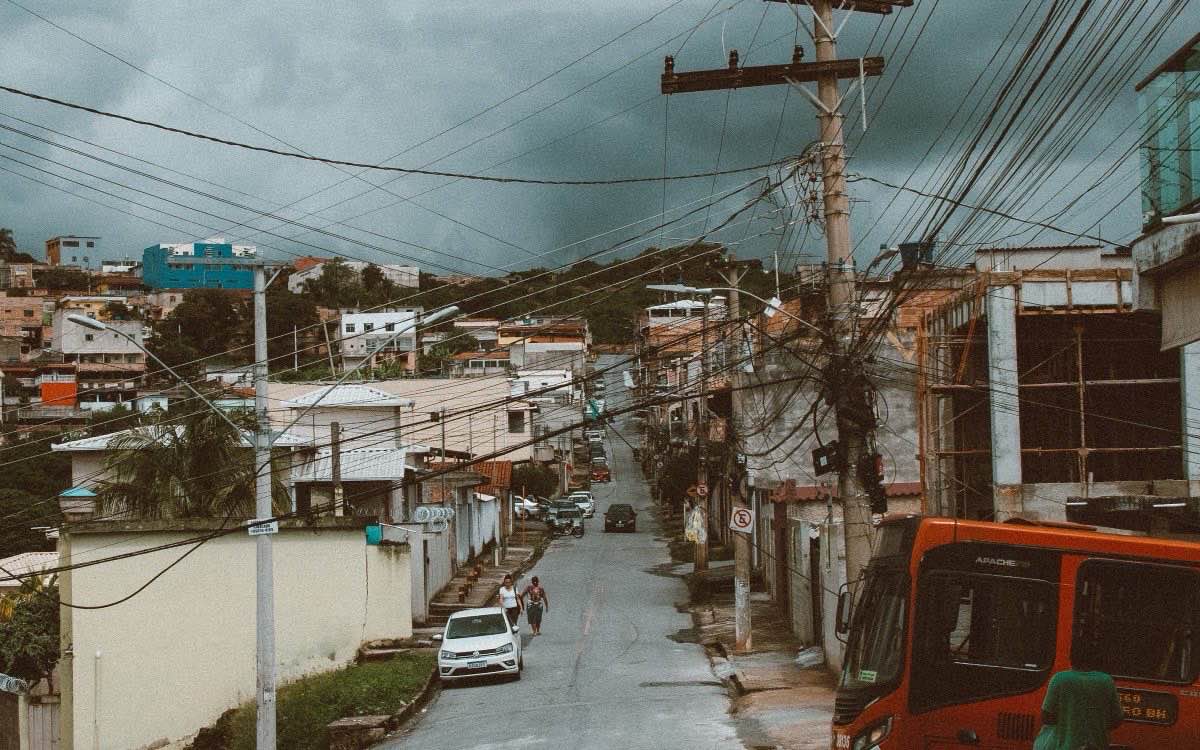
Ricoh GR III Overcast & Cloudy Day Photography: Settings, Recipes & Tips
Most photographers groan when they wake up to a flat grey sky. They shouldn't. Overcast light is one of the most forgiving, flattering, and versatile conditions you can shoot in — a giant softbox stretched across the entire sky, wrapping every subject in even, shadow-free light. There are no blown highlights to fight, no harsh shadows carving up faces, no squinting subjects. Just clean, diffused light that reveals texture and color exactly as they are.
The catch is that overcast light is low contrast, and straight out of the camera it can read as dull, muddy, and lifeless. The difference between a flat cloudy-day snapshot and a moody, atmospheric image is almost entirely in how you set up the camera. This guide covers exactly that for the Ricoh GR III — the settings, the custom preset recipes, and the shooting techniques that turn grey skies into your favorite light to work in.
Why Overcast Days Are Secretly Great for the GR III
The GR III and a cloudy sky are a natural match. Here's why grey light plays to the camera's strengths:
- Even, diffused light eliminates the harsh shadows and clipped highlights that the GR III's APS-C sensor — like any sensor — struggles to recover. You keep detail everywhere
- The wide dynamic range stays comfortable. On a sunny day you're often fighting a 12-stop scene; under cloud the range collapses to something the sensor handles effortlessly, giving you clean files with room to push
- Color saturation is richer. Counterintuitively, colors often look more saturated under cloud — there's no glaring sun to wash them out. Wet pavement, autumn leaves, and painted walls all pop
- No bad time of day. Overcast light barely changes from 9am to 4pm, so you're not racing the golden hour. You can shoot all day with consistent results
- It flatters faces. Soft light is portrait light. Skin looks smooth, eyes stay open, and there are no raccoon-eye shadows under the brow
The GR III's pocketable size matters here too. Cloudy days often precede or follow rain, and a camera that lives in a jacket pocket is the one that's with you when the light turns dramatic — that ten-minute window when a storm breaks and the clouds go theatrical.
Essential Camera Settings for Overcast Days
Shooting Mode: Aperture Priority (Av)
Overcast light is steady and predictable, which makes Aperture Priority (Av) the natural choice. Set the mode dial to Av, pick your aperture, and let the camera handle a shutter speed it can easily manage in this even light. You rarely need Program or Manual unless the scene includes a bright sky you want to meter against deliberately.
Aperture: Lean Toward Sharpness
Without dramatic sunlight to create depth, your composition and detail carry the image — so favor apertures that keep things crisp:
- f/5.6 to f/8 — The overcast sweet spot. Sharp across the frame, ideal for street scenes, architecture, and landscapes where you want everything rendered cleanly
- f/2.8 to f/4 — Reserve for portraits or isolating a single subject. The soft light already flatters faces, so a little background separation completes the look
- f/8 to f/11 — For maximum depth in landscape and cityscape work, especially when a moody sky is part of the story
Exposure Compensation: The Most Important Dial
This is the single biggest fix for flat overcast photos. Camera meters see all that even grey light and tend to underexpose, producing dim, muddy results. Dial in positive compensation:
- +0.3 to +0.7 EV for most general overcast scenes — lifts the image out of the murk
- +1.0 EV or more when a bright white sky fills the frame, so your subject doesn't fall into shadow
- −0.3 to −0.7 EV only when you want to deliberately deepen a dark, dramatic storm sky
Assign exposure compensation to the rear dial (it's there by default) and treat it as a constant companion on grey days. Chimp the histogram — push the exposure right until the highlights are just shy of clipping.
ISO and Shutter Speed
Overcast light is dimmer than full sun but still very workable:
Navigate to MENU > Shooting Settings > ISO Sensitivity and set:
- ISO Auto with the upper limit at ISO 3200 — clean files with margin to spare in this light
- Minimum shutter speed: 1/125s for general handheld shooting; raise to 1/250s if you're capturing moving subjects on the street
- On a truly dark, stormy afternoon, let the ceiling rise to ISO 6400 rather than risk camera shake
White Balance: Fight the Blue Cast
Overcast light is cool — often noticeably blue. Two approaches work:
- Cloudy white balance warms the scene to counter the blue cast and is the safest default. Find it under MENU > Shooting Settings > White Balance > Cloudy
- Auto (AWB) is fine if you shoot RAW and prefer to fine-tune later, but JPEG shooters should lean on Cloudy or the recipes below to avoid a cold, lifeless look
Overcast & Cloudy Day Preset Recipes
These recipes are built for the GR III's Image Control system. Save each to a User mode (U1/U2/U3) so you can switch looks as the mood of the sky shifts. They're designed to add the contrast and warmth that flat light strips away.
1. Soft Overcast — Everyday Grey
A clean, true-to-life look that adds just enough contrast and warmth to rescue flat light without going artificial. This is your all-purpose default for cloudy days.
- Image Control: Standard
- Saturation: +1
- Hue: 0
- High/Low Key: 0
- Contrast: +2
- Contrast (Highlight): +1
- Contrast (Shadow): +1
- Sharpness: +1
- Shading: 0
- Clarity: +1
- White Balance: Cloudy
- Grain Effect: Off
The boosted contrast counteracts the inherent flatness of overcast light, while Cloudy white balance removes the blue cast. Clarity adds midtone punch that makes diffused-light scenes feel intentional rather than dreary.
2. Moody Atmosphere — Dramatic Skies
For brooding, cinematic grey when storm clouds roll in. Deepens the sky, adds weight to shadows, and gives the whole scene a film-like seriousness.
- Image Control: Positive Film
- Saturation: 0
- Hue: 0
- High/Low Key: -1
- Contrast: +2
- Contrast (Highlight): -1
- Contrast (Shadow): +2
- Sharpness: +1
- Shading: +2
- Clarity: +2
- White Balance: Daylight
- Grain Effect: Weak
Pulling highlights back protects detail in bright clouds while deep shadows add drama. The +2 Shading darkens the corners for a natural vignette that draws the eye inward — perfect for a heavy sky over a quiet street.
3. Overcast Monochrome — Texture & Mood
Cloudy light is made for black and white. Without color to carry the image, soft even light reveals texture, form, and tone beautifully. This recipe is built for moody street and architecture work.
- Image Control: Hard Monotone
- Saturation: N/A
- Hue: N/A
- High/Low Key: 0
- Contrast: +2
- Contrast (Highlight): +1
- Contrast (Shadow): +2
- Sharpness: +1
- Shading: +1
- Clarity: +2
- White Balance: Auto (AWB)
- Grain Effect: Strong
Hard Monotone with strong contrast and grain transforms flat grey light into gritty, timeless monochrome. The lifted clarity emphasizes wet pavement, brick, and peeling paint — all the texture that overcast light renders so cleanly.
4. Muted Film — Subdued Color
A desaturated, faded-film aesthetic that leans into the calm, melancholic mood of an overcast day rather than fighting it. Beautiful for quiet, contemplative scenes.
- Image Control: Positive Film
- Saturation: -1
- Hue: 0
- High/Low Key: +1
- Contrast: +1
- Contrast (Highlight): 0
- Contrast (Shadow): +1
- Sharpness: 0
- Shading: +1
- Clarity: 0
- White Balance: Cloudy
- Grain Effect: Weak
Pulling saturation down and lifting the key produces a soft, airy, slightly faded look that suits the gentle mood of cloud cover. It's understated and modern — the antidote to over-processed, over-saturated grey-day edits.
Shooting Techniques for Overcast Days
Lose the Sky (Usually)
A blank white sky is the enemy of a good overcast photo. It's a featureless bright patch that pulls the eye and tricks your meter. Unless the clouds are genuinely dramatic, compose to minimize or exclude the sky: tilt down, use a building or tree canopy as a top frame, or find higher ground to shoot across a scene rather than up into the glare.
When the Sky Is Dramatic, Make It the Subject
The exception proves the rule. When storm clouds turn moody and textured, flip the composition — put the sky in the top two-thirds of the frame and let a low horizon anchor it. Switch to the Moody Atmosphere recipe, dial in slightly negative exposure compensation, and let those clouds carry the entire image.
Hunt for Color
Overcast light makes colors sing. A red door, a yellow umbrella, a blue boat against grey surroundings becomes a focal point with almost no effort. Train your eye to spot single strong colors in an otherwise muted scene — the soft light keeps them saturated and clean, and the GR III's color rendering does the rest.
Embrace Wet and Reflective Surfaces
Cloudy days often mean wet ground, and wet ground is a gift. Puddles become mirrors, pavement turns glossy and reflective, and the diffused sky lights it all evenly. Get the GR III low — almost to the ground — to maximize reflections, and look for symmetry between a subject and its mirror image in the water.
Shoot Texture and Detail
Soft, shadowless light is the best possible light for revealing fine texture: tree bark, brick walls, rust, fabric, foliage, peeling paint. There are no harsh shadows hiding the surface and no hotspots blowing it out. Use Macro mode and the Overcast Monochrome recipe to make texture studies that simply don't work in harsh sun.
Use the Even Light for Portraits
If you have a willing subject, overcast days are portrait gold. Position them facing the brightest part of the sky for soft, even illumination and natural catchlights in the eyes. Open up to f/2.8–f/4, switch to the Soft Overcast recipe, and enjoy skin tones with no harsh shadows to retouch later.
Lighting Tips for Cloudy Conditions
Find Direction in Directionless Light
Overcast light seems to come from everywhere, but it's almost always slightly brighter toward the part of the sky where the sun hides. Learn to read that subtle direction and place your subject accordingly — even a faint sense of direction adds dimension to an otherwise flat scene.
Watch for "Bright Overcast"
Not all cloud is equal. A thin, high overcast — where you can almost see where the sun is — produces brighter, slightly more directional light with faint soft shadows. This "bright overcast" is arguably the most flattering light in all of photography. When you get it, shoot portraits and detail work; it won't last.
Add Warmth Deliberately
Because cloud light is cool, a touch of added warmth almost always improves the image. Cloudy white balance handles this in-camera, but you can lean further — the recipes above bake in warmth so your grey-day photos feel inviting rather than clinical.
Chase the Edges of Weather
The most spectacular light of all lives at the transitions — the moment a storm breaks, a shaft of sun pierces dark clouds, or rain clears to reveal a luminous sky. Keep the GR III on you, watch the weather, and be ready. These windows last minutes and produce the most dramatic images you'll ever shoot on a "cloudy" day.
Quick Reference Cheat Sheet
| Scenario | Mode | Aperture | EV Comp | White Balance | Recipe |
|---|---|---|---|---|---|
| General overcast street | Av | f/5.6 | +0.3 to +0.7 | Cloudy | Soft Overcast |
| Dramatic storm sky | Av | f/8 | −0.3 to −0.7 | Daylight | Moody Atmosphere |
| Moody black & white | Av | f/5.6 | +0.3 | AWB | Overcast Monochrome |
| Quiet, contemplative scene | Av | f/4 | +0.7 | Cloudy | Muted Film |
| Portrait in soft light | Av | f/2.8 | +0.7 | Cloudy | Soft Overcast |
| Wet pavement / reflections | Av | f/8 | +0.3 | Cloudy | Soft Overcast |
| Texture / detail study | Av (Macro) | f/5.6 | +0.3 | AWB | Overcast Monochrome |
Final Thoughts
The photographers who only shoot in golden light miss most of the year. Overcast days outnumber clear ones in much of the world, and the photographers who learn to love grey skies never run out of light to work in. Soft, even, forgiving, and endlessly flattering — cloudy light asks only that you add back the contrast and warmth it lacks, and the GR III makes that effortless.
Start with the Soft Overcast recipe in Aperture Priority at f/5.6, dial in +0.5 EV, set white balance to Cloudy, and compose to keep the blank sky out of frame. When the clouds turn dramatic, switch to Moody Atmosphere and let them take over. Keep the camera in your pocket on grey mornings — those are exactly the days the light turns magical when you least expect it.
Get a free recipe + 15% off your first order
Our Natural Analog recipe (exact settings for the GR III, GR IIIx and GR IV) and a personal discount code, straight to your inbox.
No spam. Unsubscribe in one click.