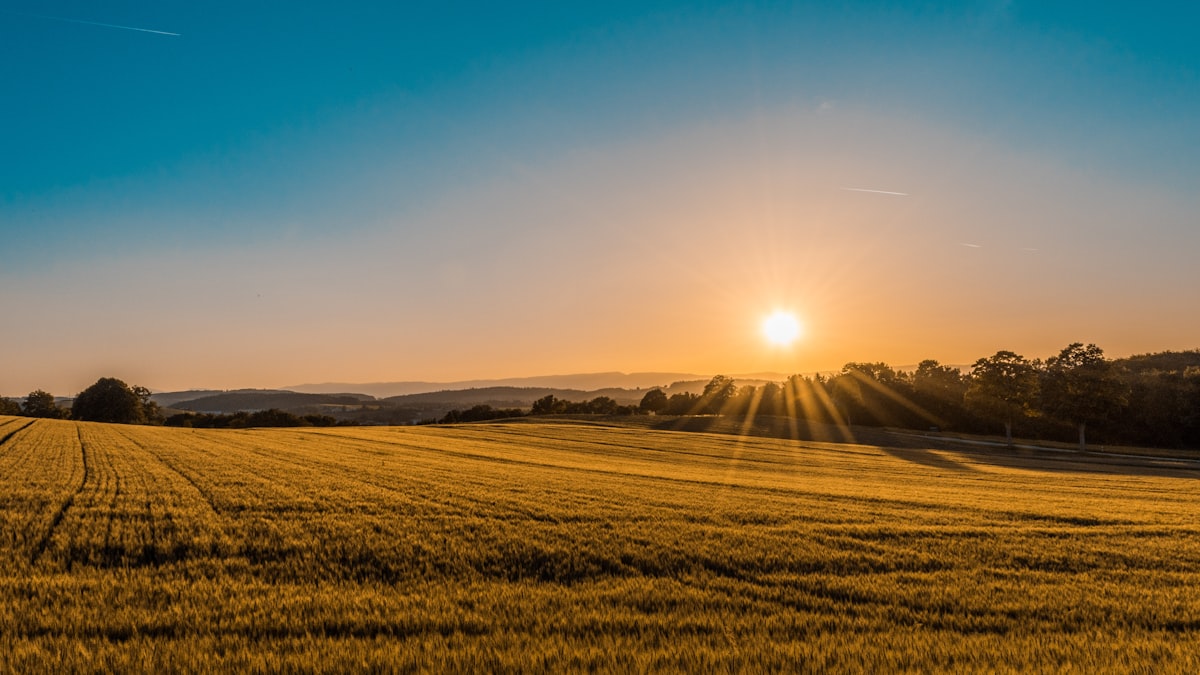
Ricoh GR III Sunset & Sunrise Photography: Settings, Tips, and Best Recipes
Sunsets and sunrises offer some of the most dramatic light you will ever photograph. The sky becomes a canvas of deep oranges, fiery reds, soft pinks, and cool purples -- all shifting by the second. The Ricoh GR III's compact size and responsive controls make it a powerful tool for capturing these fleeting moments, whether you are on a rooftop, a quiet beach, or simply walking home from work.
This guide covers everything you need to shoot compelling sunset and sunrise images with the GR III, from camera settings and preset recipes to composition strategies and common pitfalls.
Why the GR III Excels at Sunset and Sunrise Photography
The Ricoh GR III has several characteristics that make it particularly well-suited for shooting at the edges of the day:
- 28mm equivalent field of view captures expansive skies alongside strong foreground elements
- Fast startup time means you never miss the peak moment when colors suddenly intensify
- Excellent dynamic range from the APS-C sensor handles the extreme contrast between a bright sky and dark foreground
- Compact pocketability ensures you always have it with you for unexpected sky shows
- Flexible image controls let you dial in exactly the color rendering you want, from subtle to saturated
Camera Settings for Sunset and Sunrise Shooting
Shooting Mode: Aperture Priority or Manual
Aperture Priority (Av) works well for most sunset and sunrise situations. You control depth of field while the camera adjusts shutter speed as the light changes rapidly.
Manual mode is better when you want to lock in a specific exposure -- especially for silhouettes or when you are deliberately underexposing to saturate sky colors. In Manual mode, the exposure stays consistent as you recompose between brighter and darker parts of the scene.
Recommended aperture settings:
| Scene | Aperture | Why | |-------|----------|-----| | Wide landscape with foreground | f/8 – f/11 | Maximum sharpness front to back | | Sun as main subject | f/11 – f/16 | Creates a starburst effect on the sun | | Subject silhouette | f/5.6 – f/8 | Good balance of sharpness and clean edges | | Atmospheric, dreamy look | f/2.8 – f/4 | Shallow focus isolates light and color |
ISO Settings
Keep ISO as low as possible for the cleanest color gradients. Noise is especially visible in the smooth tonal transitions of a sunset sky.
- ISO 100-200 during the bright phase of sunset or sunrise
- ISO 400-800 as light fades during late sunset or early pre-dawn
- Auto ISO with ceiling at 1600 if you want the camera to manage this while you focus on composition
Configure Auto ISO through MENU > Shooting Settings > ISO Sensitivity with a minimum shutter speed of 1/60s for handheld shooting.
White Balance: Preserve or Enhance the Color
White balance is critical for sunset and sunrise photography. The wrong setting strips the very colors you are trying to capture.
Never use Auto White Balance. AWB treats the warm sky tones as a color cast and actively neutralizes them, producing flat, lifeless results.
Your best options:
- Daylight (5200K) -- the most natural rendering. Preserves warm sky tones as your eyes see them without exaggeration.
- Shade (7500K) -- pushes everything warmer. Intensifies oranges and reds for a more dramatic, saturated look.
- CTE (Color Temperature Enhancement) -- amplifies existing color casts. During sunset, this means golden and red tones become even richer.
- Manual Kelvin at 5500-7000K -- precise control. Start at 5500K for a natural look and increase toward 7000K for stronger warmth.
For sunrise, Daylight often produces the best results because sunrise light has a slightly cooler quality than sunset, and Daylight white balance preserves that delicate balance of warm and cool tones.
Metering and Exposure
Sunsets and sunrises present extreme dynamic range that can confuse your camera's meter.
Center-weighted metering is the most predictable option. It reads primarily from the center of the frame, giving you a consistent baseline to adjust from.
Exposure compensation is your most important tool:
- -0.5 to -1.0 EV to saturate sky colors. Underexposure deepens oranges, reds, and purples. This is the single most effective technique for vivid sunsets.
- -1.5 to -2.0 EV for bold silhouettes against a bright sky
- +0.3 to +0.7 EV for a bright, airy sunrise look with soft pastels
A good workflow: meter the sky, then dial in -0.7 EV as a starting point. Check your LCD and histogram, then adjust. If the histogram shows clipping on the right (highlights), add more negative compensation.
Focus Settings
- Snap Focus at 2.5m or 5m for landscape sunsets where everything is far enough to be in focus at smaller apertures
- Manual Focus at infinity for pure sky and horizon shots -- turn the focus ring until distant objects are sharp, then leave it
- AF with Spot metering point when you have a specific foreground subject to focus on
Best Preset Recipes for Sunset and Sunrise
Vivid Sunset Fire
For maximum color impact when the sky is ablaze. Set Image Control to Vivid, Saturation to +1, and Contrast to +1 to push the colors hard. Use Shade white balance to add extra warmth. Set Key Adjustment to -1 to underexpose slightly, deepening the fiery tones. The result is a punchy, saturated image that captures the intensity of a dramatic sunset.
Soft Pastel Sunrise
Sunrises often have a gentler, more delicate quality than sunsets. Set Image Control to Soft, Saturation to 0, and Contrast to -1 for smooth tonal gradients. Use Daylight white balance to preserve the natural mix of warm and cool tones. Set Highlight Adjustment to -1 to protect the bright areas of the sky. This recipe delivers ethereal, magazine-quality sunrise images.
Film Sunset
A recipe that emulates warm-toned color film. Set Image Control to Standard, Saturation to +1, Contrast to -1, and Sharpness to -1 for a softer, analog rendering. Use Daylight white balance and set Shadow Adjustment to +1 to lift the shadows slightly. The lower contrast combined with boosted saturation creates that classic film look where warm tones glow without harsh transitions.
Dramatic Silhouette
Optimized for shooting subjects against a blazing sky. Set Image Control to Standard, Contrast to +3, and Saturation to +1 to create a strong separation between the dark foreground and bright sky. Use CTE white balance and set exposure compensation to -1.5 EV. The high contrast renders your subjects as bold, clean silhouettes while the sky retains its full color intensity.
Twilight Monotone
For the transitional period between sunset and night, black and white can be stunning. Set Image Control to Monotone with an orange filter effect -- this brightens warm tones and darkens cool blues, translating the color contrast of twilight into dramatic tonal contrast. Set Contrast to +2 and enable Grain Effect at Low for a cinematic feel.
Composition Tips for Sunset and Sunrise Photography
Include a Strong Foreground
A colorful sky alone rarely makes a compelling photograph. The GR III's 28mm field of view naturally includes a generous amount of foreground. Use this to your advantage by placing interesting elements -- a lone tree, a pier, a winding path, a row of buildings -- in the lower third of the frame. These elements give the viewer an entry point into the image and create a sense of scale.
Use the Rule of Thirds for the Horizon
Place the horizon on the lower third if the sky is spectacular and the foreground is plain. Place it on the upper third if you have a strong foreground with interesting textures or reflections. Avoid putting the horizon dead center unless you are creating a deliberate symmetry with water reflections.
Shoot Before, During, and After
The most inexperienced photographers arrive at sunset, shoot for five minutes, and leave. The best light often comes in unexpected moments:
- 30 minutes before sunset -- the light is warm but not yet dramatic. Great for portraits and scenes where you want detail in everything.
- At sunset -- the sun touching the horizon creates starbursts at small apertures and intense rim lighting on subjects.
- 15-20 minutes after sunset -- the afterglow. The sky often turns its most vivid colors after the sun has dropped below the horizon.
- 30-40 minutes after sunset -- blue hour begins. Cool tones mix with residual warmth on the horizon for a unique color palette.
For sunrise, reverse this timeline and arrive while it is still dark.
Look Behind You
Everyone photographs the sunset, but the light hitting the landscape behind you can be equally stunning. Warm, directional light from a low sun creates beautiful side-lighting and long shadows on buildings, trees, and people facing the opposite direction. Some of the best images during sunset point away from the sun.
Use Reflections
Water, glass, and wet surfaces multiply the beauty of a sunset. Position yourself to catch reflections in puddles, rivers, harbors, or building facades. The GR III's wide-angle lens can capture both the sky and its reflection in a single frame, doubling the color.
Shooting Sunrise vs. Sunset: Key Differences
While the techniques are similar, sunrise and sunset have distinct qualities worth understanding:
| Aspect | Sunrise | Sunset | |--------|---------|--------| | Color palette | Cooler pinks, soft purples, delicate golds | Warmer oranges, deep reds, intense golds | | Light progression | Dark to light (fast changes) | Light to dark (gradual changes) | | Atmosphere | Cleaner air, crisper light, less haze | More particles in air, softer light, more haze | | Crowds | Almost nobody | Often crowded at popular spots | | Mood | Peaceful, fresh, hopeful | Dramatic, warm, nostalgic | | Best for | Landscapes, cityscapes, clean light | Silhouettes, dramatic skies, warm portraits |
Sunrise requires more planning and an early alarm, but the reward is cleaner air, fewer people, and a quality of light that photographers who only shoot sunsets never experience.
Common Mistakes to Avoid
Using Auto White Balance. This cannot be stressed enough. AWB removes the color you are trying to capture. Set it manually every time.
Only photographing the sun itself. The sun is one element of a sunset or sunrise, not the whole story. Look for how the light interacts with clouds, landscapes, water, and silhouetted subjects. Some of the most powerful images do not include the sun at all.
Overexposing the sky. Blown-out highlights in the sky cannot be recovered. When in doubt, underexpose. You can always lift shadows later, but clipped highlights are gone forever. Check your histogram frequently.
Packing up too early. The afterglow period 15 to 30 minutes after sunset often produces the most vivid sky colors. The same applies to the pre-dawn period before sunrise. Stay longer than you think you need to.
Forgetting about lens flare. When the sun is in or near the frame, the GR III's 18.3mm lens can produce flare. Sometimes this adds atmosphere, but if it is washing out your image, shade the lens with your hand just outside the frame edge.
Shooting only wide. While the GR III's 28mm lens is naturally wide, use the built-in crop modes (35mm and 50mm equivalents) to isolate interesting sections of the sky or to compress a scene for a different perspective.
Putting It All Together
The formula for great sunset and sunrise photography with the Ricoh GR III is simple: set your white balance manually, underexpose slightly to saturate colors, include a strong foreground element, and stay longer than you think you should. The camera's compact size, fast operation, and flexible image controls handle the rest.
Save your favorite sunset preset to a custom image profile so you can switch to it the moment the sky starts changing. The best sunsets and sunrises reward photographers who are prepared and present, not those buried in menus.
Browse our sunset and warm-tone presets for recipes optimized for golden sky photography, or explore our complete preset bundles for settings that cover every lighting condition from dawn to dusk and beyond.