Fujifilm Velvia 50 Look on the Ricoh GR III: Complete Film Recipe Guide
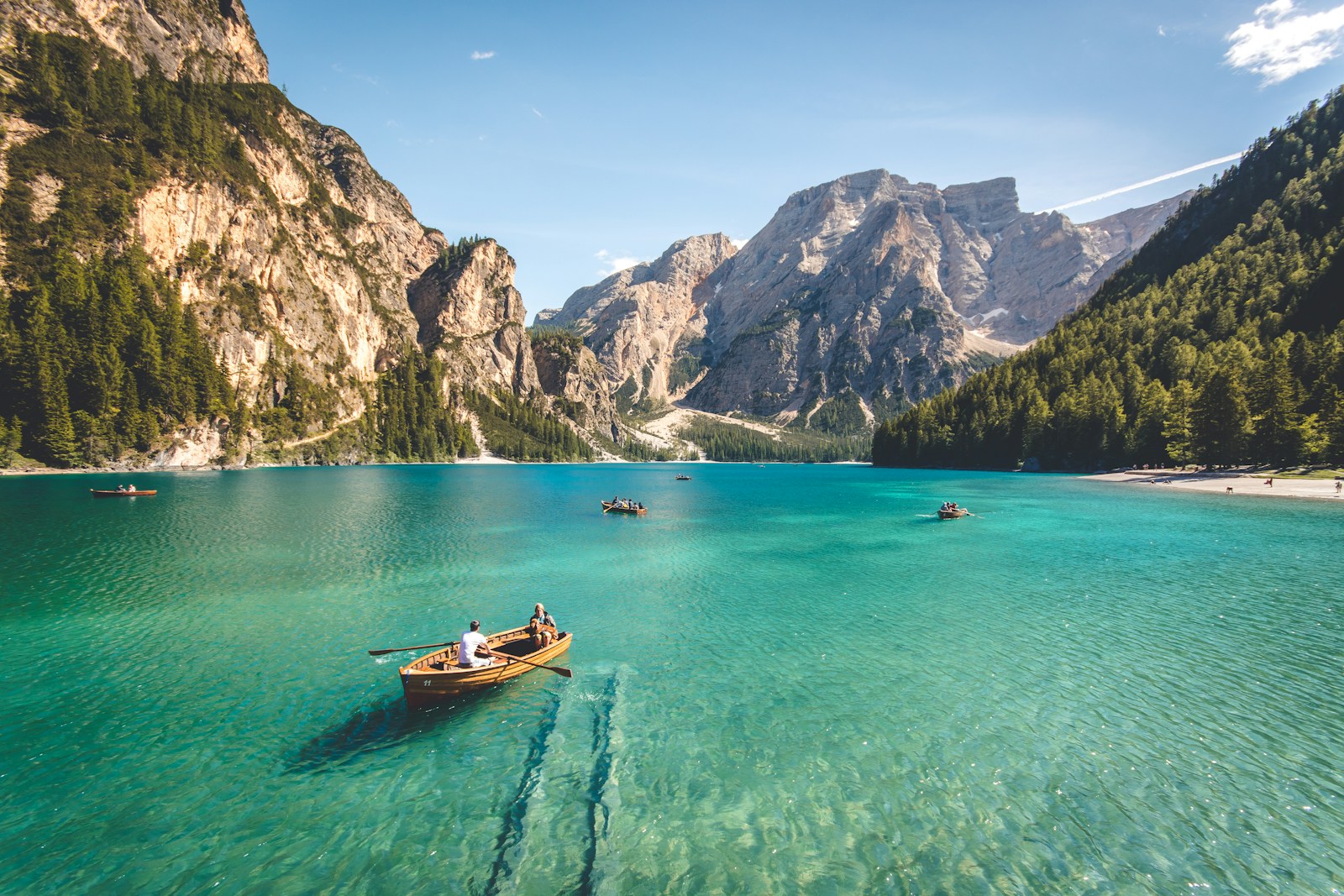
If Kodak Portra is the film of soft, flattering skin, Fujifilm Velvia 50 is the film of pure, unapologetic drama. Released in 1990, this fine-grain slide film became the undisputed king of landscape and nature photography for one reason: it makes the world look more alive than your eyes ever saw it. Skies turn a deep, electric blue, foliage glows in saturated greens, and a sunset becomes a riot of orange and magenta. The good news for Ricoh GR III owners is that you can chase this look in-camera — no E-6 processing, no scanning, no light table required.
In this guide we'll dial in a complete Fujifilm Velvia 50 film recipe for the Ricoh GR III, explain why each setting earns its place, and cover the light and subjects that let this look reach its full, glorious intensity.
What Makes the Fujifilm Velvia Look
Before you touch a single menu, it helps to know exactly what you're recreating. Velvia 50 has a signature that's the polar opposite of a soft, muted color-negative stock:
- Extremely high saturation — colors are pushed well beyond reality, especially greens, blues, and reds
- Punchy, high contrast with deep, inky shadows and bright, clean highlights
- Cool-leaning color balance that renders skies a rich cobalt blue
- Vivid greens and reds thanks to the film's famously exaggerated color response
- Crisp, fine detail that suits the sharp 28mm lens on the Ricoh GR III perfectly
Where Portra whispers, Velvia shouts. The Ricoh GR III's Image Control system is well suited to this: its Positive Film base profile is designed to evoke exactly the kind of vivid slide film that Velvia represents, so the recipe is mostly a matter of pushing saturation and contrast in the same direction the base already leans.
The Ricoh GR III Fujifilm Velvia 50 Recipe
Head into MENU > Image Control on your Ricoh GR III and dial in the following settings:
| Setting | Value | |---|---| | Base | Positive Film | | Saturation | +3 | | Hue | 0 | | Key (Brightness) | -1 | | Contrast | +2 | | Contrast (Highlight) | +1 | | Contrast (Shadow) | +2 | | Sharpness | +2 | | Clarity | +1 | | Shading | +1 | | Toning | 0 | | White Balance | Daylight | | WB Compensation | B1 / G1 |
The settings doing the heavy lifting here are saturation and contrast. Pushing saturation to +3 is what gives Velvia its trademark electric color — restrained settings will never get you there. The +2 contrast with +2 shadow contrast crushes the shadows toward that deep, inky blackness slide film is famous for, while the slight -1 Key (brightness) keeps colors dense and rich rather than washed out. Velvia was never a bright, airy film; its power comes from saturated, slightly underexposed density.
The Daylight white balance with B1/G1 compensation is the secret to those cobalt skies. Nudging toward blue and green cools the overall palette and amplifies the separation between sky, water, and foliage. Bumping shading to +1 adds a subtle vignette that draws the eye inward — a classic landscape trick that suits this look beautifully.
Pro tip: lock it into a User Mode
Don't re-enter these settings every time you head out to shoot. Save the recipe to one of the Ricoh GR III's User modes (U1, U2, U3) so the Velvia look is one dial-click away. Pair it with Aperture Priority at f/5.6–f/8 for maximum landscape sharpness, and lower your minimum Auto ISO to keep noise out of those clean skies.
If you'd rather skip the menu-diving entirely, our Kodak Slide and Classic Chrome presets live in the same vivid, positive-film family and ship with the camera screenshots so you can copy them in under a minute.
Best Conditions for the Velvia Look
Velvia 50 was engineered for one job above all: photographing nature in good light. Knowing when to reach for it makes a dramatic difference.
Bright, clear daylight
This recipe loves a clean, sunny day with a deep blue sky. The high saturation and cool white balance turn an ordinary midday sky into a postcard-worthy cobalt backdrop, and the punchy contrast gives clouds crisp, sculptural definition. This is the one film look that actually thrives in the bright, contrasty light most other recipes struggle with.
Golden hour landscapes
When the sun drops low, Velvia's exaggerated reds and oranges go into overdrive. Point the Ricoh GR III toward a sunset and the recipe renders the sky in layers of fiery color, while the boosted shadow contrast keeps your foreground silhouettes clean and graphic. Expose for the sky and let the land go dark for maximum impact.
Autumn foliage and lush greenery
Velvia practically defined autumn-color photography. The saturated reds, oranges, and yellows of fall leaves — or the deep greens of a spring forest — are exactly what this film stock was built to exaggerate. The GR III's sharp lens paired with this recipe makes individual leaves pop with three-dimensional clarity.
Shooting Tips for the Velvia Look
- Underexpose slightly. Real Velvia 50 looks best with a touch less light, which deepens colors and protects the sky. Dial in -0.3 to -0.7 exposure compensation to lean into that dense, saturated character.
- Use a smaller aperture. Shoot at f/5.6 to f/8 for edge-to-edge sharpness across a landscape. Velvia's whole appeal is crisp, vivid detail, so let the GR III's lens do its best work.
- Avoid skin tones. This is the one place Velvia stumbles — the extreme saturation turns skin orange and ruddy. For people, switch to our Kodak Portra 400 recipe instead and save Velvia for the scenery.
- Hunt for color contrast. This look sings when complementary colors meet: red leaves against a blue sky, a yellow boat on green water. Compose around color and the recipe rewards you.
How It Compares to Our Kodak Film Recipes
If you've worked through our Kodak recipes, think of Velvia as the loud, extroverted cousin. Where the Kodak Gold 200 recipe leans warm and nostalgic and Kodak Portra 400 stays soft and natural, Velvia goes all-in on saturation and contrast. The Kodak looks are built on the Negative Film base; Velvia leans on Positive Film. Many GR III shooters keep both philosophies on tap — a soft negative recipe on U1 for people and everyday scenes, and this punchy Velvia recipe on U2 for landscapes and travel.
Final Thoughts
Fujifilm Velvia 50 earned its legendary status one jaw-dropping landscape at a time, and the Ricoh GR III is a surprisingly capable tool for chasing that look. It's pocketable enough to carry on every hike, sharp enough to resolve fine natural detail, and equipped with a Positive Film base profile that already speaks Velvia's vivid language. Dial in the recipe above, lock it to a User mode, and head out into some good light. You'll come back with landscapes that have that unmistakable slide-film punch — straight out of camera, no scanning required.
Ready to make it effortless? Browse our complete collection of Ricoh GR III presets, including vivid slide-film recipes like this one, or grab a bundle to get our most popular looks together at the best value.