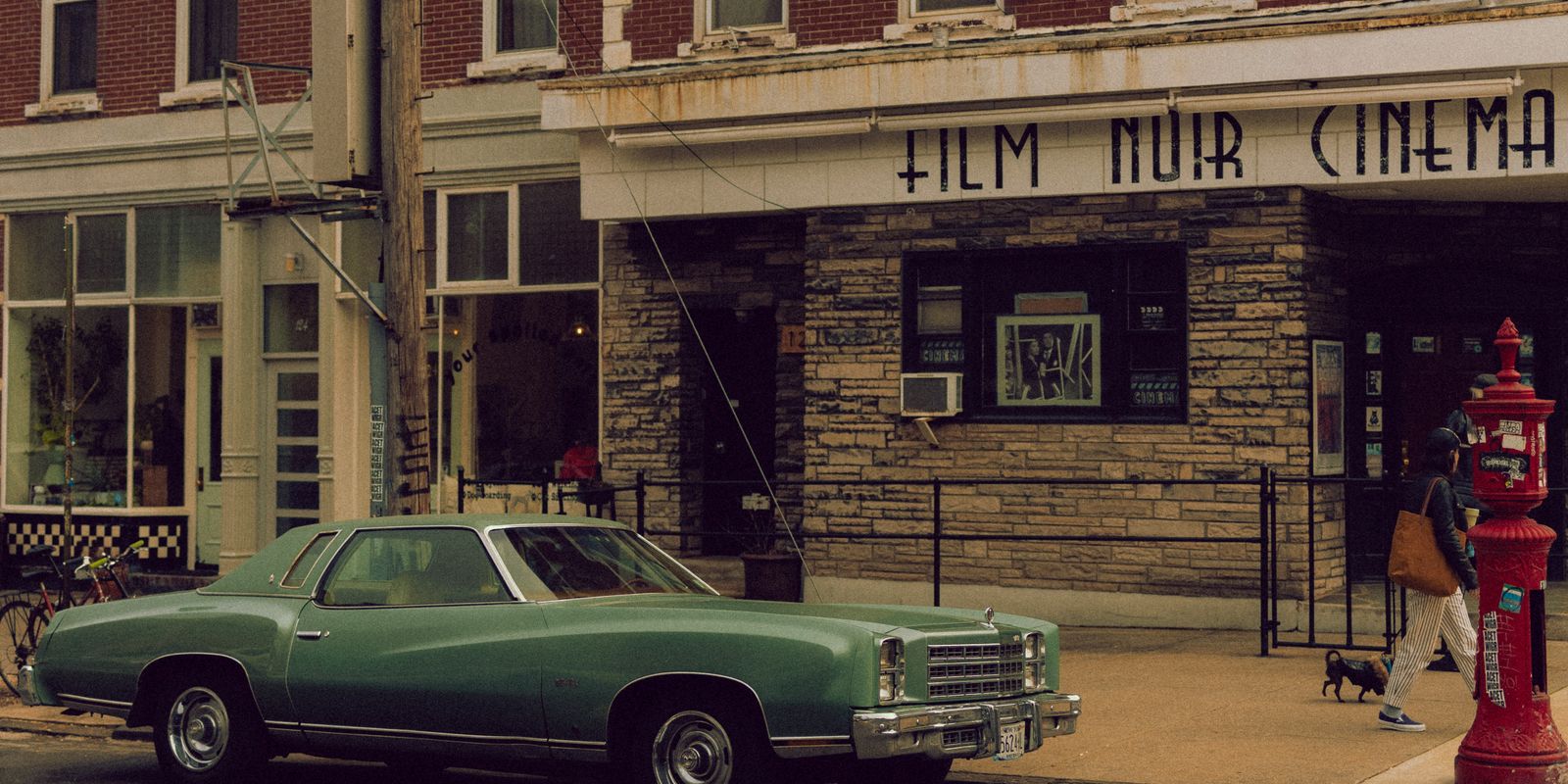
Lomography Color Negative 400 Look on the Ricoh GR III: Complete Film Recipe Guide
Lomography Color Negative 400 is the film that made "just shoot it" a whole aesthetic. It's the roll casual shooters load into a plastic camera for a weekend trip and come back with frames that look effortlessly nostalgic — warm, saturated, a little unpredictable, and full of character. Where a stock like Kodak Portra 400 chases clean, natural skin tones and Kodak Gold 200 leans sunny and mellow, Lomo 400 turns everything up a notch: bolder color, punchier contrast, and that unmistakable "this looks like a memory" quality. The best part? You can get remarkably close to that look in-camera on your Ricoh GR III — no plastic camera, no scanning, no lab fees.
In this guide we'll build a complete Lomography Color Negative 400 film recipe for the Ricoh GR III, explain why each setting matters, and cover the light and subjects where the look truly sings.
What Makes the Lomography Color 400 Look
Before diving into the menu, it helps to know exactly what you're chasing. Lomography Color Negative 400 isn't a subtle, technically "correct" film — it's a mood. Its fingerprint comes down to a handful of traits:
- Punchy, saturated color — reds pop, greens go lush, and blues deepen, all a step past neutral
- Warm overall cast that makes ordinary daylight feel like a fond memory
- Bold, slightly crunchy contrast with rich blacks rather than gentle film flatness
- Noticeable but pleasing grain that adds texture and that "shot on film" honesty
- A touch of unpredictability — the look feels organic and lived-in rather than clinical
Think of Lomo 400 as the everyday storyteller of the color-negative world. It doesn't ask you to meter perfectly or chase golden hour; it rewards spontaneity. The Ricoh GR III's Image Control system is perfect for recreating this — its Positive Film base already carries a punchy, saturated character, and from there it's about warming the balance, deepening the contrast, and adding just enough grain to sell the film honesty.
The Ricoh GR III Lomography Color 400 Recipe
Head into MENU > Image Control on your Ricoh GR III and dial in the following settings:
| Setting | Value |
|---|---|
| Base | Positive Film |
| Saturation | +2 |
| Hue | 0 |
| Key (Brightness) | 0 |
| Contrast | +1 |
| Contrast (Highlight) | 0 |
| Contrast (Shadow) | +1 |
| Sharpness | +1 |
| Clarity | +1 |
| Shading | +1 |
| Toning | 0 |
| White Balance | Color Temp (K) |
| WB Value | 6200K |
| WB Compensation | A3 / M0 |
The settings doing the heavy lifting here are saturation and white balance. Pushing saturation to +2 on the already-vivid Positive Film base is what gives Lomo 400 its trademark pop — the color that makes a plain brick wall or a green car look like it belongs on a postcard. The 6200K with A3 compensation warms the whole frame toward amber, recreating the cozy, sun-soaked cast that makes every scene feel a little nostalgic.
Deepening shadow contrast to +1 (alongside overall contrast +1) gives you the bold, slightly crunchy blacks the film is known for, while +1 clarity adds the micro-contrast bite that keeps saturated frames from looking soft. The +1 shading (vignette) is a subtle nod to the Lomo/toy-camera heritage, darkening the corners just enough to draw the eye inward without looking gimmicky. Keeping sharpness at +1 preserves detail so the frame stays crisp under all that color.
Pro tip: add grain and lock it into a User Mode
Lomo 400 without grain is only half the look. On the GR III, this recipe is best paired with the camera's grain rendering — shooting at ISO 800–1600 naturally introduces the texture that sells the film honesty, so don't be afraid to let Auto ISO climb. Then save the whole recipe to one of the Ricoh GR III's User modes (U1, U2, U3) so the Lomo look is one dial-click away. Pair it with Snap Focus at 2m and Aperture Priority around f/2.8–f/5.6 and you have a discreet, point-and-shoot film camera in your pocket.
If you'd rather skip the menu-diving entirely, browse our preset collection for one-click looks like this one, complete with the camera screenshot, so you can copy the recipe in under a minute.
Best Conditions for the Lomography Color 400 Look
Lomo 400 was made to be shot anywhere, but a few situations make the recipe truly sing.
Everyday street and travel
This is Lomo 400's home turf. The warm balance and punchy color turn ordinary streets — storefronts, parked cars, market stalls, painted walls — into vibrant, memory-like frames. It's the perfect everyday look for the GR III's 28mm lens, and it shrugs off the mixed, changing light of a day out walking. For more ideas here, see our street photography settings guide.
Warm daylight and open shade
Bright afternoon light and soft open shade both flatter this recipe. The saturation gives blue skies and green foliage real depth, while the warm cast keeps shaded areas from going cold and lifeless. Point the GR III at a colorful scene in good light and let the recipe do the rest.
Nostalgic and vintage subjects
Retro cars, neon signs, diners, film cameras, painted shopfronts — anything with an inherently nostalgic quality is amplified by the Lomo look. The bold color and gentle vignette lean straight into that "this could be a photo from decades ago" feeling.
Where to be careful
Lomo 400 is a punchy film, and that's not always what you want. For neutral, accurate skin tones in a formal portrait, the boosted saturation and warm cast can be too much — reach for our Kodak Portra 400 recipe instead. And under heavy tungsten or neon at night, the warm balance can tip too orange; when the sun goes down, our CineStill 800T recipe is the better tool.
Shooting Tips for the Lomography Color 400 Look
- Find the color. This recipe rewards colorful subjects. Seek out painted walls, bold storefronts, classic cars, fruit stands, and neon — anything with saturated hues will make the look pop.
- Embrace over-exposure. Like most color-negative stocks, the Lomo look is over-exposure tolerant and often better for a touch more light. Dial in +0.3 to +0.7 exposure compensation for that bright, airy, sun-soaked character.
- Let the ISO climb for grain. Don't fight higher ISO. Shooting at ISO 800–1600 gives you the honest, textured grain that's central to the film's charm.
- Shoot from the hip. Lomography is a philosophy as much as a film — spontaneous, unfussy, "don't think, just shoot." The GR III's Snap Focus is built for exactly this. Set it and grab candid frames without raising the camera to your eye.
Lomography 400 vs. Gold 200 vs. Portra 400 on the GR III
If you've tried our other color-negative recipes, these three make a useful everyday trio. Kodak Gold 200 is the sunny, mellow, gently warm all-rounder — the most relaxed of the three. Lomography Color 400 is the punchy, saturated, slightly vintage extrovert — the one with the most attitude and grain. Kodak Portra 400 is the refined, natural-color professional — the choice when skin tones and subtlety matter most. Many GR III shooters keep all three saved to User modes and switch based on mood: Gold for easy warmth, Lomo for bold color and character, Portra for clean, natural rendering.
Trying them side by side on the same walk is the fastest way to feel the difference — a great exercise for any Ricoh GR III owner building their own style.
Final Thoughts
Lomography Color Negative 400 earned its cult following by making everyday photography feel joyful and nostalgic, and the Ricoh GR III is uniquely suited to chasing that look — small enough to shoot from the hip, sharp enough to hold up under all that saturation, and equipped with an Image Control system flexible enough to render bold, warm, grainy color straight out of camera. Dial in the recipe above, let the ISO climb, lock it to a User mode, and go shoot without overthinking. You'll come back with frames that have that unmistakable punchy, warm, lived-in Lomo character — no plastic camera required.
Ready to make it effortless? Browse our complete collection of Ricoh GR III presets, including film-emulation recipes like this one, or grab a bundle to get our most popular looks together at the best value.
Get a free recipe + 15% off your first order
Our Natural Analog recipe (exact settings for the GR III, GR IIIx and GR IV) and a personal discount code, straight to your inbox.
No spam. Unsubscribe in one click.