Ilford Delta 3200 Look on the Ricoh GR III: High-ISO Black & White Film Recipe
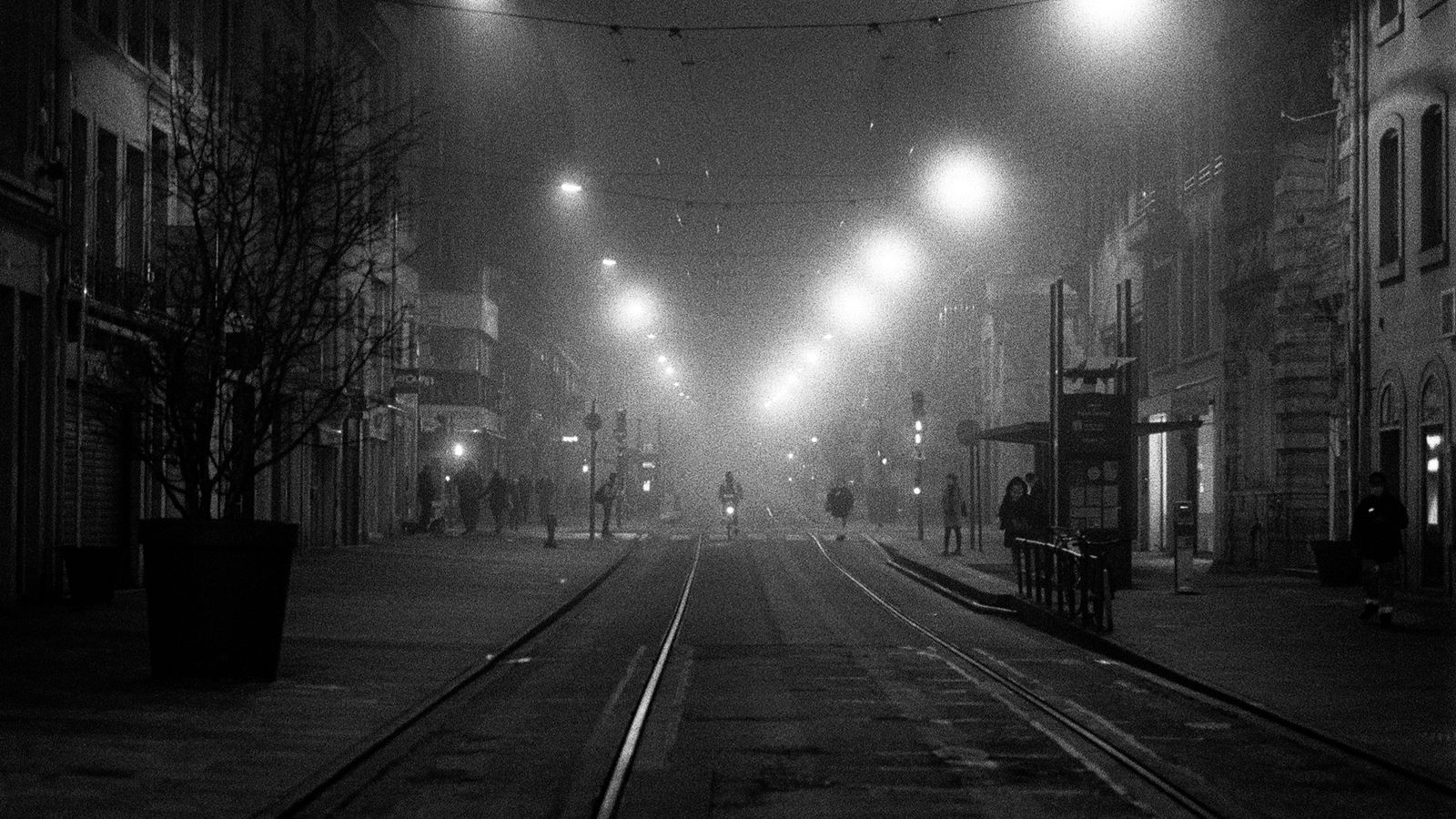
Ilford Delta 3200 is the film you load when the sun has gone down and everyone else has packed up. It's a high-speed black-and-white stock built for the situations most film can't touch — dim bars, concert pits, rain-slicked streets under sodium lamps, candlelit interiors. Its signature isn't sharpness or clean tonality; it's atmosphere: chunky, expressive grain, deep but detailed shadows, and a gritty, documentary honesty that makes ordinary night scenes feel cinematic. The best part? You can chase that look in-camera on your Ricoh GR III — no pushing in the darkroom, no scanner, no guessing at exposure on a 36-frame roll.
In this guide we'll build a complete Ilford Delta 3200 film recipe for the Ricoh GR III, explain why each setting matters, and cover the light and subjects where this look truly comes alive.
What Makes the Ilford Delta 3200 Look
Before diving into the menu, it helps to know exactly what you're chasing. Despite the "3200" in its name, Delta 3200 has a true ISO closer to 1000 — the number reflects how it's designed to be pushed. That push-processing heritage is the whole personality of the film:
- Bold, pronounced grain that grows heavier as the light drops — the defining texture of the stock
- Deep, atmospheric shadows that still hold detail rather than crushing to pure black
- Moderate, forgiving contrast with a long tonal roll-off that protects highlights like streetlamps and neon
- A neutral-to-slightly-cool black-and-white rendering with no color cast
- A raw, documentary mood — this is a film about feeling and moment, not clinical resolution
Think of Delta 3200 as the opposite of a clean studio film. Where Kodak T-Max or Ilford Delta 100 chase smoothness, Delta 3200 embraces texture. The Ricoh GR III is a natural match: its high-ISO output already carries fine luminance noise that reads beautifully as grain, and its Monochrome Image Control gives you the contrast and tonal shaping to steer that noise toward classic push-film character.
The Ricoh GR III Ilford Delta 3200 Recipe
Head into MENU > Image Control on your Ricoh GR III and dial in the following settings:
| Setting | Value |
|---|---|
| Base | Monochrome |
| Filter Effect | Off (or Yellow) |
| Toning | 0 (Neutral) |
| Key (Brightness) | -1 |
| Contrast | +1 |
| Contrast (Highlight) | -2 |
| Contrast (Shadow) | +1 |
| Sharpness | +2 |
| Clarity | +2 |
| Shading | +1 |
| High/Low Key Adj. | 0 |
The settings doing the heavy lifting here are contrast shaping and clarity. Pulling highlight contrast to -2 while pushing shadow contrast to +1 recreates Delta 3200's push-processed tonal curve — bright light sources like streetlamps and signs roll off gently instead of blowing out, while the shadows gain the dense, weighted feel of a pushed negative. The overall +1 contrast keeps the image from going flat, and the -1 Key (brightness) protects that moody, low-key mood the film is famous for.
Clarity at +2 and Sharpness at +2 are what sell the grain. They emphasize micro-contrast and edge texture, so the GR III's natural high-ISO noise reads as gritty, film-like grain rather than mush. The +1 Shading (vignette) darkens the frame edges slightly, drawing the eye inward and adding to the after-dark atmosphere. Leave Toning at neutral for an authentic Delta rendering, or nudge it one step cool if you like a colder, more clinical night look.
Pro tip: lock it into a User Mode
Don't re-enter these settings every time. Save the recipe to one of the Ricoh GR III's User modes (U1, U2, U3) so the Delta 3200 look is one dial-click away when the light drops. Pair it with Snap Focus at 2m, Shutter/Aperture Priority, and — most importantly — a high Auto ISO ceiling (up to 6400 or 12800), because with this film the grain is the point. The higher the ISO, the closer you get to that pushed-negative texture.
If you'd rather skip the menu-diving entirely, browse our preset collection for one-click looks like this one, complete with the camera screenshot, so you can copy the recipe in under a minute.
Best Conditions for the Ilford Delta 3200 Look
Delta 3200 was engineered for one thing above all: seeing in the dark. Knowing when to reach for it makes all the difference.
Night and available-light street
This is Delta 3200's home turf. Rain-slicked pavement under streetlamps, glowing shop windows, figures moving through pools of light — the recipe's protected highlights and dense shadows turn ordinary night streets into moody, cinematic frames. Let your ISO climb and lean into the grain; it's what separates this look from a clean, sterile night shot. Pair it with our night photography guide for exposure tactics after dark.
Concerts and live music
Dim, colored stage lighting is exactly where a high-speed black-and-white film earns its keep. Stripping color out of chaotic concert lighting focuses everything on gesture, sweat, and emotion, and the heavy grain matches the raw energy of live music. Push your ISO high, expose for the performer's face, and let the background fall into textured shadow. See our concert photography tips for more.
Bars, cafés, and candlelit interiors
Indoors after dark — a bar at last call, a café in winter, a room lit by a single lamp — Delta 3200 renders intimacy beautifully. The forgiving contrast holds the glow of a warm light source without blowing it out, and the grain adds a lived-in, documentary warmth that clean digital black-and-white often lacks.
Where to be careful
Delta 3200 is a low-light specialist, and in bright daylight it loses its whole reason to exist. In strong sun the GR III drops to base ISO, the grain disappears, and the low-key settings can look muddy and flat. When the light is good and you want clean black-and-white, reach for our Ilford HP5 Plus 400 recipe or the classic Kodak Tri-X 400 recipe instead — both are built for a wider range of light.
Shooting Tips for the Delta 3200 Look
- Embrace high ISO — don't fight it. With most recipes you protect image quality by keeping ISO low. Here it's the reverse: set a high Auto ISO ceiling (6400–12800) so the GR III generates the luminance noise that becomes your grain. The darker the scene, the better the look.
- Expose for the shadows, protect the highlights. Delta 3200's magic is detail in the dark. Dial in -0.3 to -0.7 exposure compensation in scenes with bright light sources so streetlamps and signs keep their shape while the shadows stay rich and open.
- Shoot wide and get close. At 28mm, work near your subject and let foreground light and shadow frame them. The GR III's discreet size lets you shoot candidly in bars and on the street without breaking the moment.
- Look for a single light source. Delta 3200 sings when there's one dominant light — a streetlamp, a window, a stage spot — carving your subject out of the darkness. Hunt for that separation and let the rest of the frame go black.
- Convert your eye to black-and-white. With color gone, composition lives in light, shadow, and gesture. Watch for contrast and shape rather than color, and you'll find frames you'd have walked past in daylight.
Delta 3200 vs. HP5 and Tri-X on the GR III
If you've already tried our other black-and-white recipes, think of Delta 3200 as the after-dark specialist of the family. Ilford HP5 Plus 400 is the flexible all-rounder — moderate grain, classic contrast, happy in almost any light. Kodak Tri-X 400 brings punchier contrast and that timeless photojournalist bite. Delta 3200 goes where neither wants to: deep into low light, trading cleanliness for heavy grain and dense, atmospheric shadows.
Many GR III shooters keep all three on User modes — HP5 on U1 for everyday black-and-white, Tri-X on U2 for high-contrast daylight, and Delta 3200 on U3 for when the sun goes down. Trying them side by side on the same night scene is the fastest way to feel what each one does.
Final Thoughts
Ilford Delta 3200 earned its cult following one grainy, atmospheric night frame at a time, and the Ricoh GR III is uniquely suited to chasing that look — pocketable enough to carry into a bar or a concert, discreet enough to shoot candidly in low light, and equipped with a Monochrome Image Control flexible enough to shape shadows the way a pushed negative does. Dial in the recipe above, lock it to a User mode, crank your ISO ceiling, and head out after dark. You'll come back with black-and-white frames that have that unmistakable gritty, cinematic, push-film mood — straight out of camera.
Ready to make it effortless? Browse our complete collection of Ricoh GR III presets, including black-and-white film-emulation recipes like this one, or grab a bundle to get our most popular looks together at the best value.
Get a free recipe + 15% off your first order
Our Natural Analog recipe (exact settings for the GR III, GR IIIx and GR IV) and a personal discount code, straight to your inbox.
No spam. Unsubscribe in one click.